Testicular injuries in women’s sports meme has become one of the most talked-about and controversial pieces of internet humor in recent years.
If you’ve seen this meme floating around social media, you might be wondering what it actually means, where it came from, and why people are sharing it. This guide will explain everything you need to know in simple, easy-to-understand language.
What Is This Meme About?
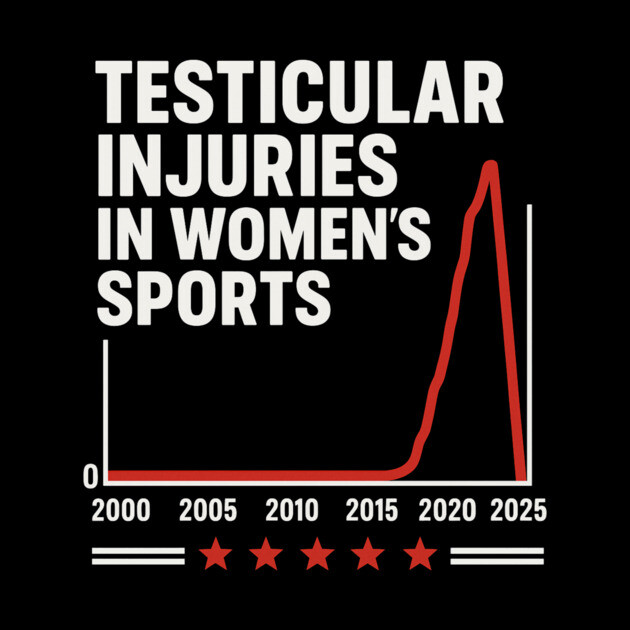
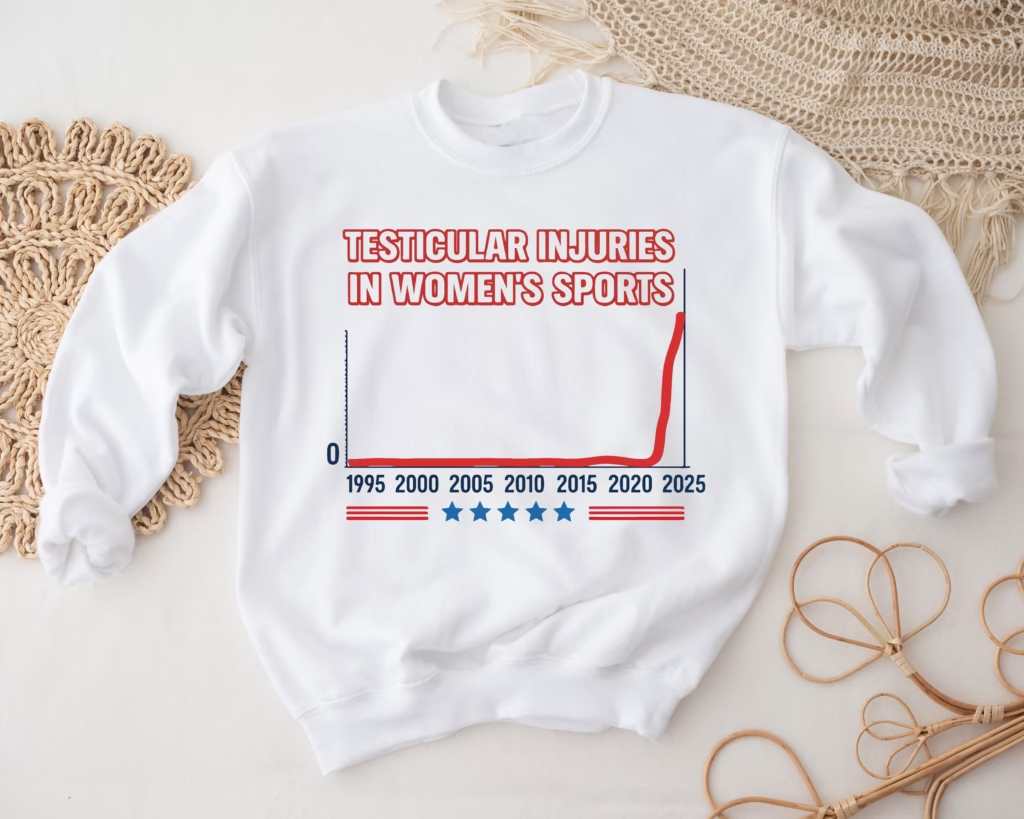
The testicular injuries meme typically shows a graph or chart with a timeline running from around 1900 to 2020 or 2024.
The graph shows a completely flat line (zero) for decades, and then suddenly shoots upward starting around 2020.
The title usually reads something like “Testicular Injuries in Women’s Sports” or “Testicular Injury of Female Athletes.”
At first glance, this might seem confusing. How can female athletes have testicular injuries? That’s exactly the point of the satire.
The visual format makes it look like official data or a scientific chart. Some versions include axis labels showing years on the bottom and number of injuries on the side.’
The dramatic spike in recent years is meant to be obviously absurd and impossible, which is what makes it humor rather than actual information.
The graph showing increase is designed to look professional and legitimate, similar to charts you might see in medical journals or sports injury reports. This contrast between the serious presentation and the impossible content is what creates the satirical effect.
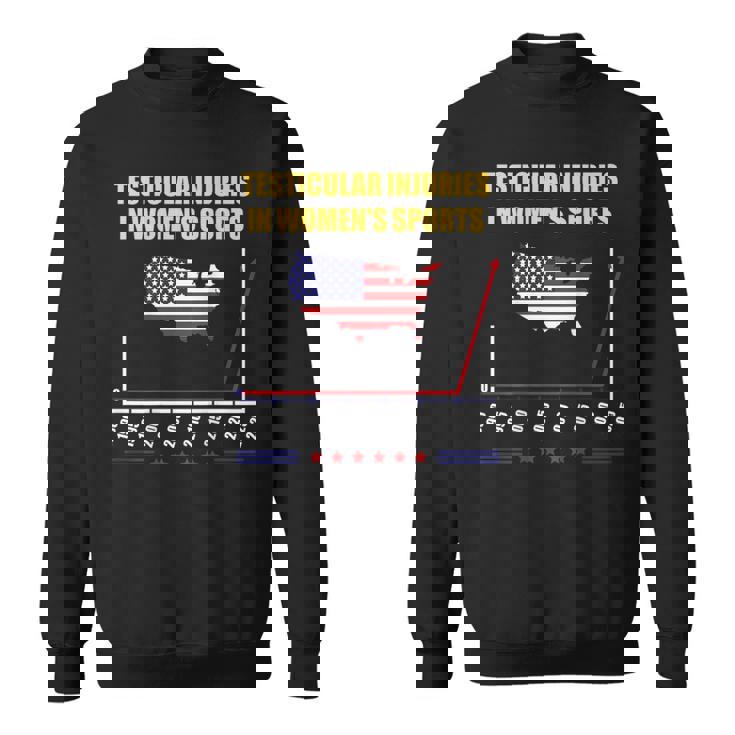
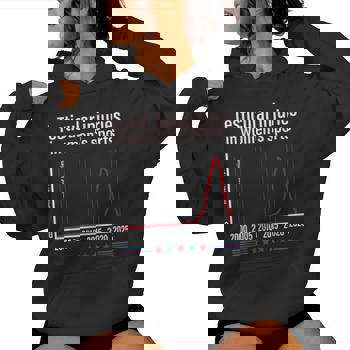
People share this meme in various formats including static images, Instagram reels, TikTok videos, and even printed on t-shirts and merchandise. The basic concept remains the same across all versions.
Where Did This Meme Come From?
The Babylon Bee Article
The testicular injuries in women’s sports meme originated from a Babylon Bee article published on March 27, 2023.
The Babylon Bee is a satirical news website that writes humorous fake news articles, similar to The Onion but with a conservative political perspective.
The original article was titled “Doctors Report Startling Rise In Testicular Injuries Among Woman Athletes.” The satirical piece claimed that medical researchers were baffled by a sudden increase in testicular injuries among female athletes, when such injuries were literally zero just a few years ago.
The Babylon Bee article included quotes from fictional doctors like “Dr. Ryan Kitchen of Boston College’s Institute of Sports Medicine” who expressed confusion about this “puzzling” trend.
The satire was deliberately over-the-top, with the article pretending not to understand an obvious explanation.
One fictional character in the article said “EEEEEEEEEEEEEEEE! BLLRRRAAAWWRRRR FFFRRGGGTHTHTH!” to mock what the writers saw as irrational responses to the trans athletes debate. The article ended by suggesting manufacturers should design “protective athletic cups specifically designed to protect female testicles.”
How It Spread on Social Media
After the Babylon Bee published this satirical news article, the concept quickly transformed into a visual meme format. Social media users created the now-famous graph showing the dramatic increase, which was easier to share than the full article.
The meme went viral across multiple platforms:
- Instagram users shared it as posts and reels with hashtags like #hilarious, #whatisawoman, #humor, and #sarcasm
- TikTok creators made videos explaining or reacting to the chart
- Twitter/X accounts shared it in political discussions about gender identity and sports fairness
- Facebook groups circulated it in both serious political discussions and meme pages
The visual format made it perfect for quick sharing. People didn’t need to read a full article to understand the joke. The graph itself communicated the entire satirical point in one image.
By mid-2023, the meme had spread so widely that it appeared on merchandise. Etsy sellers and Amazon vendors began offering t-shirts, hoodies, and stickers featuring the testicular injury graph. Some products included additional text like “Save Women’s Sports” or other political messaging.
The meme’s popularity continued into 2024 and 2025, with new variations appearing regularly. Some versions changed the timeline, some added different visual elements, but the core joke remained the same.
Why Is It Funny? (Understanding the Satire)
To understand why people find this meme humorous, you need to understand absurdist humor and biological facts.
The Biological Impossibility
The joke works because of a simple biological fact: female testicles don’t exist. Testicles are male reproductive organs. A person with testicles is, by biological definition, male. Therefore, “testicular injuries in female athletes” is a logical impossibility.
This is what makes the meme satirical rather than informational. It’s pointing out something that cannot happen while pretending to take it seriously. The humor comes from the contrast between:
- The serious, professional-looking graph format
- The impossible data being presented
- The pretense of confusion about an obvious situation
How Absurdist Humor Works
Absurdist humor takes something impossible or ridiculous and treats it as if it’s normal and serious. By presenting “testicular injuries in women’s sports” as if it’s a real medical trend that requires research and protective equipment, the meme highlights what its creators see as absurdity in current debates.
The meme uses irony by showing doctors and researchers being “baffled” and “puzzled” by something that has an obvious explanation. This is similar to saying “We’re shocked that people who don’t eat are losing weight. What could possibly explain this mysterious phenomenon?”
People who share this meme generally believe the joke is self-explanatory. The idea that biological males competing in women’s sports could result in “testicular injuries in women’s sports” is meant to show what they see as logical contradictions in current policies.
Why Some People Don’t Find It Funny
Not everyone finds this meme humorous. Some people view it as:
- Disrespectful to transgender athletes
- Oversimplifying a complex issue
- Being deliberately offensive under the guise of humor
- Ignoring the real experiences of trans women
The controversy around whether this meme is funny or offensive reflects deeper disagreements about gender identity, biological sex, and sports eligibility. Humor is subjective, and political humor especially tends to divide people based on their existing beliefs.
The Real Issue Behind the Meme
The testicular injuries meme isn’t really about medical statistics or sports injuries. It’s political commentary about a much larger debate happening in society.
The Trans Athletes in Sports Debate
Starting around 2020, the question of transgender athletes competing in women’s sports became a major political and social controversy. The debate centers on whether athletes who were born male but identify as women should be allowed to compete in female sports categories.
This isn’t a new discussion, but it became much more prominent in recent years due to several high-profile cases:
- Lia Thomas, a swimmer who competed on the University of Pennsylvania women’s team after transitioning
- Multiple state legislatures passing laws about trans athlete participation
- International sports organizations changing their eligibility rules
- Increased media coverage of the topic
Why This Became Controversial
The controversy exists because different people prioritize different values:
Those concerned about fairness point to:
- Biological males generally have physical advantages in strength, speed, and endurance
- Even with hormone therapy, some advantages may remain
- Testosterone levels during puberty create lasting differences
- Female athletes may lose opportunities for scholarships, records, and victories
- Title IX was designed to create opportunities for biological females
Those concerned about inclusion argue:
- Trans women are women and should compete with other women
- Excluding trans athletes is discriminatory
- Hormone requirements can address competitive advantages
- Trans people deserve to participate in sports
- The number of trans athletes is small and the problem is exaggerated
Both sides genuinely believe they’re defending important principles. This is why the debate generates such strong emotions and political division.
The Biological Males Question
At the heart of this debate is disagreement about what defines “male” and “female” in the context of sports. The meme specifically uses terms like “testicular injuries” and references to biological males to emphasize physical biology over gender identity.
People who share this meme generally believe:
- Biological sex is more relevant than gender identity for sports categories
- Physical advantages from male puberty don’t fully disappear
- Fairness to cisgender women should be prioritized
- The issue is about competitive advantage, not discriminating against trans people
Critics of this perspective argue:
- Gender identity should be respected in all contexts including sports
- Trans women have been competing without major issues for years
- Testosterone levels can be regulated through requirements
- The focus on fairness is often cover for transphobia
How People Use This Meme
The testicular injuries in women’s sports meme serves multiple purposes depending on who’s sharing it and where.
Social Media Sharing
On platforms like Instagram, TikTok, and Twitter, people share this meme to:
Express political opinions without writing long arguments. The graph communicates an entire perspective in one image, making it perfect for quick social media consumption.
Signal their position on the trans athletes debate. Sharing this meme indicates where someone stands without requiring them to explain their full reasoning.
Generate engagement through controversy. Posts with this meme often get high numbers of comments, shares, and reactions because the topic is polarizing.
Use humor to discuss a serious topic. Many people find it easier to share a funny meme than to have difficult conversations about gender and sports.
Common hashtags used with this meme include:
- #savewomenssports
- #whatisawoman
- #humor
- #sarcasm
- #womenssports
- #fairness
- #titleix
- #transathletes
Political Commentary
Politicians, commentators, and activists use variations of this meme to:
Make points about biological differences and sports categories. The meme becomes visual evidence in arguments about policy changes.
Criticize what they see as denial of basic biology. The absurdist humor highlights what they consider obvious facts being ignored.
Rally support for legislation restricting trans athlete participation. Many states have passed or proposed such laws, and this meme appears in related discussions.
Prominent figures including athletes like Danica Patrick and various political commentators have referenced the concept behind this meme in public statements about women’s sports and fairness.
T-Shirts and Merchandise
The commercialization of this meme shows its cultural impact. On Etsy, Amazon, and other platforms, you can find:
T-shirts with the graph printed on them, often with additional text about protecting women’s sports or questioning gender ideology.
Hoodies and sweatshirts featuring the testicular injury chart alongside other political messaging.
Stickers and bumper stickers that can be placed on laptops, water bottles, or vehicles.
Coffee mugs and other household items with the meme design.
These products range in price from around $15 to $35 depending on the item and seller. The fact that people are willing to pay for this imagery shows it’s more than just a passing internet joke—for many, it represents deeply held beliefs about biology, fairness, and social policy.
The merchandise market also indicates the meme’s longevity. Unlike many internet jokes that fade quickly, this one has sustained relevance due to ongoing debates about trans athletes in sports.
Different Views on Trans Athletes in Sports
To fully understand this meme’s context, it helps to know the various perspectives people hold on this complex issue.
Fairness Concerns
Many people, including some female athletes and women’s sports advocates, raise concerns about competitive advantage:
Physical differences matter in sports. Male puberty creates advantages in muscle mass, bone density, lung capacity, and height that generally don’t completely reverse with hormone therapy. Studies have shown that even after years of testosterone suppression, some advantages remain.
Records and opportunities are at stake. When biological males compete in women’s categories, they often rank highly or break records. This can mean cisgender women lose scholarship opportunities, podium placements, and the chance to set records in their own sports.
Athletic performance gaps are significant. In many sports, the gap between elite male and elite female performance is substantial. For example, the men’s 100-meter sprint record is significantly faster than the women’s record, even though both groups include world-class athletes.
Safety concerns exist in contact sports. In sports like rugby, basketball, or martial arts, the physical differences can create injury risks when biological males compete against biological females.
Organizations like “Restore Sanity to Sports” and various athletes have spoken out about these fairness issues. Some female athletes have lost opportunities to compete or win because they faced competitors who went through male puberty.
Inclusion Arguments
Trans rights advocates and many athletes argue for inclusive policies:
Trans women are women. Gender identity should be respected in all areas of life, including sports. Excluding trans athletes from women’s sports denies their identity and humanity.
Testosterone requirements address advantages. Many sports organizations require trans women to maintain low testosterone levels for a period before competing. Advocates argue this adequately addresses fairness concerns.
The problem is exaggerated. The actual number of trans athletes is very small. Making sweeping policy changes based on a handful of cases is unnecessary and harmful.
Trans athletes deserve to participate. Sports provide important benefits including physical health, mental wellbeing, community, and opportunities for education and career. Excluding trans people from these benefits is discriminatory.
Individual variation matters more. There’s significant variation in athletic ability among all women. Some cisgender women are stronger, faster, and taller than others. Trans women fall somewhere within this existing range of variation.
Groups like “Insanity Now” (mentioned satirically in the Babylon Bee article) and various LGBTQ+ advocacy organizations support full inclusion of trans athletes in their identified gender categories.
What Sports Organizations Say
Different sports organizations have adopted varying policies:
| Organization | Policy Approach | Key Requirements |
|---|---|---|
| NCAA | Trans-inclusive with requirements | Must complete one year of testosterone suppression |
| Olympics/IOC | Varies by sport | Each international federation sets its own rules |
| USA Swimming | Restrictive policy (2022) | 36 months of testosterone suppression, case-by-case review |
| World Athletics | Restrictive for some events | Limits on testosterone levels for certain distances |
| World Rugby | Restrictive | Does not allow trans women in women’s contact rugby |
| Cycling (UCI) | Testosterone limits | Must maintain low testosterone for 24 months |
These policies continue to evolve as organizations attempt to balance inclusion and fairness. No single approach has satisfied everyone, and the debate continues.
Some organizations have moved toward more restrictive policies in recent years after initially having more open policies. This shift often came after specific controversies or high-profile cases.
The Middle Ground
Some people try to find compromise positions:
- Allowing trans athletes in recreational sports but having different rules for elite competition
- Creating open categories where anyone can compete regardless of biological sex or gender identity
- Having different rules for different sports based on how much physical advantage matters
- Considering age of transition (whether someone transitioned before or after puberty)
However, these middle-ground positions also face criticism from both sides of the debate.
Common Questions About This Meme (FAQ)
Is This Based on Real Data?
No, absolutely not. The testicular injuries in women’s sports meme is pure satire. There is no actual medical data tracking “testicular injuries in female athletes” because this is biologically impossible.
The meme is not based on:
- Real sports injury statistics
- Actual medical research
- Legitimate health data
- Scientific studies
It’s a deliberately absurd joke designed to make a political point through humor. Anyone treating this as real data is missing the entire point of the satire.
The Babylon Bee article that inspired this meme was clearly labeled as satire. The website publishes only satirical content, similar to The Onion. However, the graph format has sometimes been shared without context, leading some people to briefly think it might be real data before realizing the joke.
Why Is It Controversial?
This meme generates controversy because it touches on several politically charged topics:
Gender identity debates. The fundamental question of whether gender identity or biological sex should determine sports categories divides people along political and ideological lines.
Women’s rights and feminism. Some feminists argue this is about protecting women’s sports and opportunities. Other feminists argue that excluding trans women is discriminatory and anti-feminist.
Free speech vs. offensive content. Some view the meme as legitimate political satire. Others see it as transphobic content disguised as humor.
Science and biology. Disagreements exist about what biological research shows regarding athletic performance after gender transition.
The meme is controversial precisely because it takes a clear position on a divisive issue. It’s not trying to be neutral or find middle ground—it’s making a specific argument through humor.
What Does the Graph Represent?
The graph in this meme represents the satirical claim that testicular injuries among female athletes went from zero (throughout history) to suddenly increasing in recent years, specifically around 2020-2024.
What the creators of this meme believe it represents:
- An increase in biological males competing in women’s sports
- What they see as absurd contradictions in current policies
- The point that people with testicles are not female athletes
The timeline corresponds with:
- Increased visibility of trans athletes in women’s sports
- Policy changes allowing trans women to compete
- High-profile cases that generated media attention
The sudden spike upward on the graph is meant to correlate with changes in transgender inclusion policies in sports organizations.
Who Created This Meme?
The concept originated with the Babylon Bee’s satirical article in March 2023, but the visual graph format was created by various social media users who adapted the concept.
There isn’t one single “creator” of the graph version. Multiple people independently created similar graphics showing the same basic concept: a flat line representing zero testicular injuries in women’s sports for decades, then a dramatic increase.
The meme spread organically across social media platforms, with different users creating their own versions. Some included more elaborate graphics, while others were simple line graphs.
Is Sharing This Meme Offensive?
This depends entirely on who you ask:
Some people say yes because:
- It trivializes the experiences of transgender athletes
- It reduces trans women to their anatomy
- It’s meant to mock and exclude trans people
- It promotes discrimination under the guise of humor
- It contributes to a hostile environment for trans individuals
Others say no because:
- It’s legitimate political satire about policy debates
- It makes a point about biological reality in sports
- Satire by nature addresses controversial topics
- Disagreeing with trans inclusion policies isn’t automatically transphobic
- It’s focused on sports fairness, not attacking trans people personally
Your view on whether this meme is offensive likely correlates with your broader views on the trans athletes debate. People who support unrestricted trans inclusion in women’s sports will likely find it offensive. People who prioritize biological sex categories in sports will likely find it acceptable political commentary.
Are There Real Injuries in Women’s Sports Involving Trans Athletes?
While the “testicular injuries” meme is satirical, there have been real cases of injuries in women’s sports:
In contact sports like rugby, basketball, and volleyball, there have been documented injuries when biological males competed against biological females. These include concussions, broken bones, and other impact injuries.
However, it’s important to note:
- Injuries happen in all sports between all types of athletes
- Not all injuries involving trans athletes are because of biological differences
- Sports inherently involve injury risk regardless of participants
The real debate is about whether biological differences create unacceptable additional risks in certain sports, particularly contact sports.
Where Can I See This Meme?
The testicular injuries in women’s sports meme appears across social media:
- Instagram: Search for hashtags like #testicular injuries or #womenssports
- TikTok: Videos explaining or sharing the meme
- Twitter/X: Political discussions about trans athletes
- Facebook: Shared in various groups and pages
- Reddit: Appears in multiple subreddits discussing politics, memes, or sports
You can also find it on merchandise platforms like Etsy and Amazon if you want to see the t-shirt versions.
Image search engines will show various versions of the graph if you search for the meme’s name.
The Bottom Line
The testicular injuries in women’s sports meme is satirical humor that comments on the controversy surrounding transgender athletes competing in women’s sports. It originated from a Babylon Bee article in March 2023 and quickly spread across social media in various visual formats.
Understanding the Core Message
The meme makes a specific argument through absurdist humor: that allowing biological males to compete in women’s sports categories creates logical contradictions. By presenting “testicular injuries in female athletes” as mysterious data requiring research, it highlights what its creators see as society denying obvious biological facts.
The graph showing a sudden increase from zero to rising numbers corresponds with policy changes allowing trans women to compete in women’s sports categories. The meme argues this represents biological males entering women’s sports, though it does so through deliberately impossible terminology.
Why It Matters
This meme matters because it represents how political commentary now happens through social media humor. Complex debates about gender identity, biological sex, fairness in athletics, and women’s rights get condensed into shareable images that signal political positions.
The meme’s continued popularity into 2024, 2025, and 2026 shows that the underlying debate hasn’t been resolved. Different states have passed different laws, sports organizations have adopted varying policies, and public opinion remains divided.
The Bigger Picture
Whether you find this meme funny, offensive, or somewhere in between likely depends on your views about:
- The relative importance of biological sex versus gender identity in sports
- How to balance inclusion of transgender athletes with fairness for cisgender women
- Whether the physical advantages from male puberty are significant enough to justify separate categories
- How society should handle cases where different values (inclusion vs. fairness) conflict
The testicular injuries meme won’t resolve these debates, but it will continue to circulate as long as the underlying controversy remains unresolved.
Moving Forward
As this debate continues, expect to see:
- More variations of this meme appearing on social media
- Continued merchandise sales featuring the graph
- Ongoing policy changes in various sports organizations
- More high-profile cases generating media attention
- Further polarization between those who prioritize inclusion and those who prioritize biological sex categories
The meme has become part of the cultural conversation around trans athletes in sports, serving as shorthand for a complex set of arguments about biology, identity, fairness, and women’s sports.
Understanding this meme requires understanding both the satire itself and the real controversy it addresses. The humor works only because it references an ongoing debate that genuinely divides people. Whether that makes it clever political commentary or offensive mockery depends entirely on your perspective.
The truth behind the testicular injuries in women’s sports meme is that it’s not about medical data at all—it’s about how we define fairness, identity, and women’s sports in a changing society. That debate will likely continue long after this particular meme fades from social media feeds.