Dry, chapped lips are one of the most common and frustrating skin problems people deal with every day. You reach for your Best lip balm for dry lips, apply it, and within an hour your lips feel dry and tight again. Sound familiar? You are not alone.
The problem is not that lip balm does not work. The problem is that most people are using the wrong kind. With hundreds of options on the shelf — from cheap drugstore sticks to fancy overnight masks — it is almost impossible to know which one actually heals dry lips and which one just makes them feel good for twenty minutes.
That is exactly why we created this guide. We talked to board-certified dermatologists, tested dozens of products, and studied exactly what science says works. By the end of this article, you will know which lip balm is right for your lips, what ingredients to look for, and what to completely avoid.
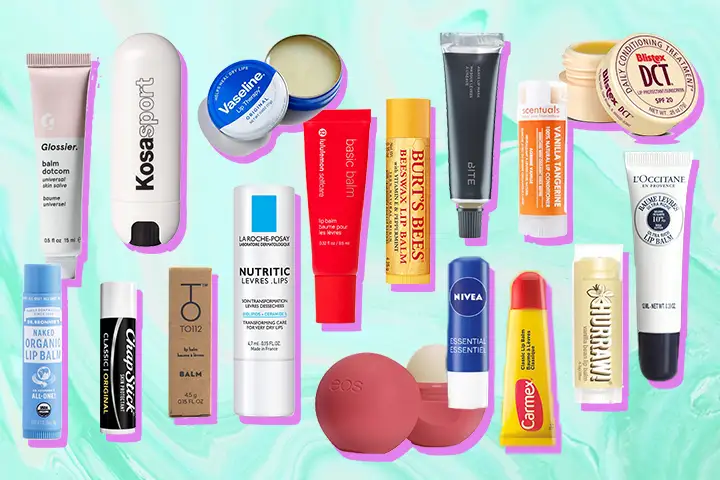
What Causes Dry and Chapped Lips?
Before we talk about solutions, let us talk about why your lips keep getting dry in the first place. This is something most competitor articles skip over — and it is actually the most important part.
Here is the key thing most people do not know: your lips have no oil glands. Your regular skin has thousands of tiny oil glands that keep it naturally moisturized throughout the day. Your lips have none. Zero. That means your lips cannot protect themselves from drying out the way the rest of your skin can. They depend entirely on outside help — like a good lip balm.
On top of that, the outer skin layer on your lips is much thinner than the rest of your face. That makes them extra sensitive to weather, wind, heat, and anything you put on them.
Here are the most common reasons your lips are getting dry and cracked:
Cold weather and wind pull moisture right out of your lips. Winter is the most common time people experience severely dry and peeling lips because cold air holds less humidity.
Indoor heating makes the air inside your home extremely dry, especially in winter. Many people notice their lips get worse at night because they sleep in a heated room with dry air.
Sun exposure damages the thin skin on your lips over time. The sun breaks down the skin barrier and causes lips to peel and crack. This can even lead to a condition called actinic cheilitis — a precancerous change on the lower lip caused by long-term sun damage. A lip balm with SPF 30 is your best protection.
Lip licking is one of the biggest hidden causes of chapped lips. When you lick your lips, saliva evaporates quickly and takes even more moisture with it. It feels like relief for a second, but it makes dryness worse every time. If you have a habit of licking your lips, breaking that habit is just as important as finding the right lip balm.
Breathing through your mouth — especially at night — dries lips out fast. If you wake up every morning with cracked lips, this might be why.
Dehydration is another very common cause. When your body does not have enough water, your lips show it first. Drinking at least 8 glasses of water a day makes a real difference for lip health.
Certain medications can also dry out lips as a side effect. Retinoids, antihistamines, diuretics, and some acne medications are common culprits. If you started a new medication and noticed your lips getting drier, that connection is real.
Allergic reactions or contact dermatitis can cause lips to become red, dry, and irritated. This is sometimes caused by flavored lip balms, fragrances, or even certain toothpastes. If your lips are always irritated and never fully heal, this might be the cause.
What to Look for in a Lip Balm
Not all lip balms are created equal. The best lip balm for dry lips needs to do three specific jobs at the same time. Dermatologists break lip balm ingredients into three categories based on what they do for your lips.
Occlusives — They Lock Moisture In
Occlusives create a physical barrier on top of your lips. Think of them like a protective seal that stops water from leaving your skin. Without an occlusive ingredient, any moisture you put on your lips will evaporate quickly.
The best occlusive ingredients to look for are petrolatum (petroleum jelly), beeswax, lanolin, dimethicone, and mineral oil. Petrolatum is the gold standard — it is the most effective barrier ingredient available, which is why Aquaphor and Vaseline work so well. Beeswax is a great natural option that also gives lip balm its solid texture.
Humectants — They Pull Water Into Your Lips
Humectants attract water from the air and from deeper layers of your skin and pull it into the outer lip tissue. They actually add moisture rather than just trapping it.
The best humectant ingredients are hyaluronic acid, glycerin, aloe vera, and honey. You will see glycerin listed in almost every good lip balm because it is inexpensive and very effective. Hyaluronic acid is a newer addition to lip care and works extremely well for plumping and hydrating lips.
Emollients — They Soften and Smooth
Emollients fill in the tiny cracks between dry skin cells and make lips feel soft and smooth. They make the texture of your lips look better fast.
The best emollient ingredients include shea butter, cocoa butter, coconut oil, squalane, jojoba oil, vitamin E, and kokum butter. These feel rich and nourishing and are especially good for lips that are peeling or flaky.
The best lip balms combine all three types of ingredients. An occlusive alone will protect but not add moisture. A humectant alone might dry out your lips in dry weather because it pulls moisture from your skin when there is no humidity in the air. Together, they work as a complete system for lip barrier repair and long-lasting lip moisture.
Ingredients to Avoid in a Lip Balm
This is the section most articles either skip completely or barely mention — and it is one of the biggest reasons people never find a lip balm that actually works. Some ingredients that are very common in lip products actually make dry lips worse over time.
| Ingredient to Avoid | Why It Is Harmful |
|---|---|
| Menthol | Feels cooling but strips the natural moisture barrier and causes irritation |
| Camphor | Similar to menthol — creates a tingling sensation but dries lips out |
| Phenol | Very drying and can damage lip tissue with repeated use |
| Artificial fragrance | A major cause of allergic reactions and contact dermatitis on lips |
| Artificial flavoring | Makes you lick your lips more often, making dryness worse |
| Alcohol (denatured) | Extremely drying — evaporates and takes moisture with it |
| Salicylic acid | Too harsh for already-dry or cracked lips |
| Cinnamon oil | Very irritating for sensitive lips |
| Peppermint oil | Creates temporary plumping by irritating the skin — not healthy for dry lips |
Many popular lip balms — including some very well-known brands — contain menthol, camphor, or fragrance. These products feel refreshing at first, but they create a cycle of dependency. Your lips feel dry, you apply more, they feel dry again faster, and you apply even more. This cycle is sometimes called “lip balm addiction,” though it is not a true addiction — it is simply your lips reacting badly to an ingredient that is making the problem worse.
If your current lip balm has any of the ingredients listed above, switch to a fragrance-free, unflavored option and give your lips two weeks to recover.
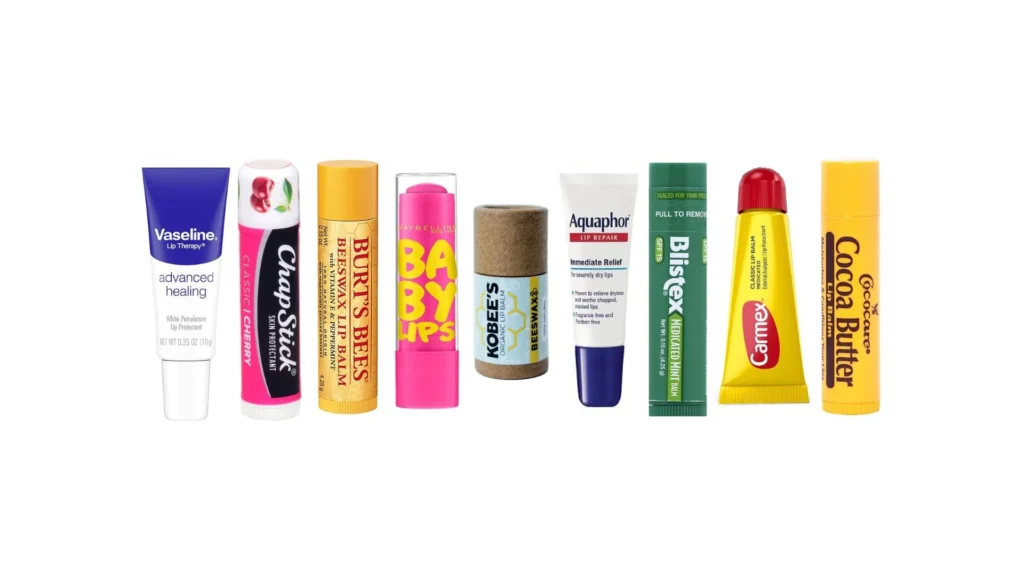
Best Lip Balms for Dry Lips in 2026 — Dermatologist-Approved Picks
Here are the top dermatologist-recommended lip balms of 2026, chosen based on ingredients, clinical evidence, and real-world results. Each one has been selected for a specific reason so you can pick the one that matches your exact situation.
Best Overall — Aquaphor Lip Repair
Price: Around $4 to $7 | Best for: All types of dry and chapped lips
Aquaphor Lip Repair is the number one dermatologist-recommended lip balm for a reason. It contains petrolatum as its main ingredient — the most clinically proven occlusive available. It also contains bisabolol (which calms inflammation), shea butter (an emollient that softens), and glycerin (a humectant that attracts moisture). It is fragrance-free, dye-free, and gentle enough for even the most sensitive lips.
Dermatologists consistently recommend Aquaphor for severely dry lips, healing lip barrier repair, and everyday protection. It is not fancy, but it is the most effective formula available at any price point.
What competitors miss: Most articles mention Aquaphor but do not explain that the bisabolol in it actively reduces redness and inflammation, making it uniquely effective compared to plain petroleum jelly.
Best Natural Lip Balm — Burt’s Bees Original Beeswax
Price: Around $3 to $5 | Best for: People who prefer natural and clean ingredients
Burt’s Bees uses 100% natural ingredients including beeswax, vitamin E, peppermint oil, and coconut oil. The beeswax provides a strong occlusive barrier. Vitamin E is a powerful antioxidant that protects against sun and environmental damage. Coconut oil softens and smooths.
One important note: Burt’s Bees contains peppermint oil, which can be slightly irritating for people with very sensitive or already-damaged lips. If your lips are severely cracked or raw, start with Aquaphor first and switch to Burt’s Bees once they have healed.
For healthy everyday lip care and maintenance, it is one of the best natural lip balm options available.
Best Budget Pick — Vaseline Lip Therapy Original
Price: Under $3 | Best for: Everyday moisture and healing on a budget
Vaseline Lip Therapy is pure petrolatum in a small pot — and that makes it one of the most effective healing lip balms on the market. Pure petrolatum locks in up to 98% of moisture and creates an almost impenetrable barrier against dry air and cold wind.
It is unflavored, unscented, free of irritants, and recommended by dermatologists worldwide as a first-line treatment for chapped lip relief. It is especially good for children and people with very sensitive skin or allergies.
The only downside is that it can feel a little greasy during the day, so many people use it at night as an overnight lip treatment.
Best for Severely Dry Lips — Dr. Dan’s CortiBalm
Price: Around $7 to $10 | Best for: Extremely cracked, painful, or inflamed lips
Dr. Dan’s CortiBalm is not your average lip balm. It contains 1% hydrocortisone — a mild corticosteroid that reduces inflammation, redness, and irritation. It also contains petrolatum and other healing ingredients.
This product is specifically designed for people whose lips never seem to fully heal — whether from cheilitis, allergic reactions, extremely dry climate, or medication side effects. It provides fast relief for painful dry lips and can break the cycle of chronic dryness within just a few days.
Important: Do not use products with hydrocortisone every single day long-term without talking to a dermatologist. It is best used as a treatment for a short period — typically one to two weeks — and then switched back to a standard lip balm for maintenance.
Best Lip Balm with SPF — Jack Black Intense Therapy Lip Balm SPF 25
Price: Around $10 | Best for: Sun protection and daily outdoor use
Most people forget that the lips are one of the most sun-exposed parts of your face and one of the least protected. The lower lip especially receives direct sunlight. Over time, this causes premature aging, dryness, and in serious cases, actinic cheilitis.
Jack Black Intense Therapy contains SPF 25, green tea extract (an antioxidant), shea butter, and vitamin E. It protects against UVA and UVB rays while also deeply moisturizing. It comes in several flavors but also has an unflavored option that is better for sensitive lips.
If you spend time outdoors — even just walking to work — you need a lip balm with SPF protection. This is the best one available right now.
Best Overnight Lip Treatment — Laneige Lip Sleeping Mask
Price: Around $24 | Best for: Deep hydration while you sleep
The Laneige Lip Sleeping Mask is one of the most popular lip care products in the world, and it genuinely deserves the attention. It is packed with hyaluronic acid, murumuru seed butter, shea butter, and a special ingredient called Berry Mix Complex — a blend of antioxidant-rich fruit extracts including raspberries, strawberries, and blackberries.
You apply it as your last step before bed and wash it off in the morning. It works overnight when your skin is in repair mode, delivering intense moisture and nutrients while you sleep. People consistently wake up with noticeably softer, plumper, and smoother lips after just one night.
It is more expensive than a standard lip balm but is one of the best overnight lip treatments available and replaces the need for a separate lip mask product.
Best for Sensitive Lips — CeraVe Healing Ointment
Price: Around $13 to $16 | Best for: Sensitive skin, eczema-prone lips, or allergic reactions
CeraVe Healing Ointment contains ceramides — which are naturally occurring lipids found in the skin barrier. When lips are severely dry or compromised, the ceramide levels drop. This product literally restores what your lip barrier has lost. It also contains petrolatum and hyaluronic acid for a complete occlusive-plus-humectant formula.
It is fragrance-free, paraben-free, allergy-tested, and developed with dermatologists. It is particularly good for people who have had allergic reactions to other lip balms or who have conditions like perioral dermatitis or eczema.
Best Tinted Lip Balm — EOS Shea Better Lip Balm
Price: Around $5 | Best for: Everyday use with a hint of color
For those who want hydration with a subtle tint, EOS Shea Better Lip Balm delivers real moisture through shea butter, aloe vera, and jojoba oil — not just color. It is 95% naturally derived, vegan, gluten-free, and cruelty-free. The tinted versions give a natural flush of color while keeping lips moisturized throughout the day.
Full Comparison Table — Best Lip Balms for Dry Lips 2026
| Lip Balm | Best For | Key Ingredients | SPF | Fragrance-Free | Price |
|---|---|---|---|---|---|
| Aquaphor Lip Repair | Best Overall | Petrolatum, Shea Butter, Glycerin | No | Yes | $4–$7 |
| Burt’s Bees Beeswax | Best Natural | Beeswax, Vitamin E, Coconut Oil | No | No | $3–$5 |
| Vaseline Lip Therapy | Best Budget | 100% Petrolatum | No | Yes | Under $3 |
| Dr. Dan’s CortiBalm | Severely Dry Lips | Hydrocortisone, Petrolatum | No | Yes | $7–$10 |
| Jack Black SPF 25 | Sun Protection | Shea Butter, Green Tea, SPF 25 | Yes | Optional | ~$10 |
| Laneige Lip Sleeping Mask | Best Overnight | Hyaluronic Acid, Shea Butter | No | No | ~$24 |
| CeraVe Healing Ointment | Sensitive Lips | Ceramides, Petrolatum, HA | No | Yes | $13–$16 |
| EOS Shea Better | Tinted Daily Use | Shea Butter, Aloe, Jojoba | No | No | ~$5 |
How to Use Lip Balm Correctly
This is another major content gap in most competitor articles. Picking the right lip balm is only half the battle. Using it correctly is just as important, and almost nobody explains how to do this properly.
Apply lip balm before you feel dry. Most people wait until their lips are already cracked and tight before reaching for lip balm. By that point, the damage is already done. Apply it regularly throughout the day — ideally every two to three hours — before dryness sets in. Think of it as prevention, not just treatment.
Apply to slightly damp lips for better results. Right after you drink water or gently dab lips with a wet cloth, apply your lip balm immediately. This seals in the water already on the surface and gives you much longer-lasting moisture. This simple trick makes a noticeable difference.
Do not apply and wipe. Some people apply lip balm and then press their lips together and wipe the excess off. That removes most of the product before it has a chance to work. Press lips together gently and leave the balm in place.
Use a thick layer at night. Nighttime is when your body repairs itself. Apply a generous amount of your best healing lip balm or overnight lip mask before bed. You lose moisture through your lips all night as you breathe, especially in a heated room, so a thick layer of petrolatum or an overnight mask gives maximum protection.
Use a humidifier in your bedroom. This is something almost no lip balm article mentions, but it makes a dramatic difference. Dry indoor air — especially from heating systems in winter — pulls moisture out of your lips all night. A small humidifier set to 40 to 50 percent humidity can cut your nighttime lip dryness in half.
Gently exfoliate once a week. If your lips are peeling, the dead skin on top prevents your lip balm from reaching the healthy skin underneath. Once a week, very gently rub your lips with a soft, wet toothbrush or a tiny amount of sugar mixed with honey. Then immediately apply a thick layer of lip balm. Do not do this more than once a week — and never on lips that are actively cracked or bleeding.
Never pick at peeling lip skin. Pulling off a piece of peeling skin almost always removes healthy skin underneath it and causes a small wound. This makes healing take much longer. Apply lip balm and let the dead skin fall off naturally.
Lip Care Routine — Morning and Night
Here is a simple, easy-to-follow daily routine that covers everything:
Morning Routine: Start by gently wiping your lips with a warm, damp cloth to remove any leftover product from the night before. Immediately apply a lip balm with SPF 25 or higher before you go outside. Reapply every two hours if you are spending time outdoors.
Throughout the Day: Keep a small lip balm in your pocket or bag. Apply it every two to three hours or whenever your lips start to feel dry. Choose a fragrance-free, flavorless formula as your daily carry so you are not tempted to lick it off.
Night Routine: Before bed, apply a thick, generous layer of a healing lip balm like Aquaphor, Vaseline, or the Laneige Lip Sleeping Mask. If you use a humidifier, run it while you sleep. By morning, your lips should feel significantly softer.
Tips to Prevent Dry Lips — The Big Picture
Drink more water every day. Your lips show dehydration faster than any other part of your body. Aim for at least 8 glasses of water daily. If you are in a very dry climate or exercise regularly, drink more.
Breathe through your nose, not your mouth. Mouth breathing — especially at night — is one of the fastest ways to dry out your lips. If you snore or have nasal congestion, treating those underlying issues can dramatically improve lip dryness.
Eat foods rich in vitamins B and E. Vitamin B deficiency is a surprisingly common cause of chronically dry, cracked lips. Foods like eggs, leafy greens, nuts, and whole grains support healthy lip tissue from the inside.
Protect your lips in cold wind. When you go outside in cold or windy weather, cover your lower face with a scarf. Windchill strips moisture from lips extremely fast.
See a dermatologist if nothing helps. If your lips are chronically dry, cracked, or bleeding despite using good products, there may be an underlying cause — like angular cheilitis, perioral dermatitis, or a vitamin deficiency — that needs medical attention. A board-certified dermatologist can diagnose the problem and recommend the right treatment plan.
Frequently Asked Questions
What is the best lip balm for extremely dry lips?
Aquaphor Lip Repair is the top dermatologist-recommended choice for severely dry and cracked lips. Its combination of petrolatum, glycerin, and bisabolol provides occlusive protection, moisture attraction, and anti-inflammatory relief all in one product. For very severe cases, Dr. Dan’s CortiBalm with 1% hydrocortisone can provide faster relief.
Why do my lips keep getting dry even when I use lip balm?
There are a few possible reasons. First, your lip balm may contain menthol, camphor, fragrance, or alcohol — all of which make dryness worse over time. Second, you may be licking your lips out of habit. Third, you might be dehydrated, sleeping in dry air, or taking a medication that dries lips as a side effect. Switch to a fragrance-free, petrolatum-based balm and drink more water.
Is Vaseline good for dry lips?
Yes — Vaseline (petroleum jelly) is one of the most effective lip treatments available. It is the most powerful occlusive ingredient known, meaning it creates a near-perfect barrier that locks in moisture. It is fragrance-free, gentle, and inexpensive. It is especially effective used overnight as a thick layer.
Should I use a lip balm with SPF every day?
Yes, absolutely. The lips — especially the lower lip — receive significant sun exposure every day even when you are not at the beach or outside for long. Sun damage on lips causes dryness, premature aging, and over time can lead to actinic cheilitis, a precancerous condition. Use a lip balm with at least SPF 30 during the day.
How often should I apply lip balm?
For everyday maintenance, apply every two to three hours. If you are outside in cold, wind, or sun — reapply more often. At night, apply a thick layer before bed. The more consistent you are, the faster your lips will heal and stay healed.
Content Gap Section — What Other Articles Don’t Tell You
Most competitor articles list good products but miss several important topics that readers genuinely need to know. Here is what they leave out — and what you now know.
The difference between lip balm and lip treatment. A regular lip balm is for maintenance and daily protection. A lip treatment — like CortiBalm or CeraVe Healing Ointment — is for actively healing damaged lips. Many people use a basic balm when they actually need a treatment, and their lips never fully recover. Now you know which one to reach for based on where your lips are at right now.
The “lip balm addiction” myth explained. You may have heard people say they are “addicted” to lip balm. This is not a real addiction, but it is a real phenomenon. When lip balms contain irritating ingredients like menthol or phenol, your lips become dependent on constant reapplication because the product creates a mild inflammatory cycle. The solution is not to stop using lip balm — it is to switch to a non-irritating formula.
Why your lower lip gets drier than your upper lip. The lower lip faces upward and catches direct sunlight all day long. It also gets more wind exposure. This is why the lower lip is more prone to severe dryness, peeling, and sun damage. Always make sure your SPF lip balm covers your lower lip thoroughly.
The role of your gut and overall health. Severely dry lips are sometimes a symptom of a deeper health issue — iron deficiency, zinc deficiency, vitamin B2 or B12 deficiency, thyroid problems, or even Crohn’s disease. If your lips are chronically dry and nothing topical seems to help, it is worth getting a blood test to rule these out.
Seasonal lip care adjustments. Your lip care routine in summer should look different from your routine in winter. In summer, SPF protection is the priority. In winter, maximum occlusive barrier protection against cold and wind is what matters most. Many people use the same product year-round and wonder why it stops working in certain seasons.
Final Thoughts
Dry, chapped lips are incredibly common but very fixable once you understand what is actually causing them and what ingredients your lips actually need. The best lip balm for dry lips is one that combines occlusives to seal in moisture, humectants to attract water, and emollients to soften and smooth — without any menthol, camphor, fragrance, or alcohol to undo all that work.
For most people, Aquaphor Lip Repair is the best place to start. It is affordable, fragrance-free, dermatologist-recommended, and genuinely effective. Add a lip balm with SPF for daytime protection and the Laneige Lip Sleeping Mask for overnight repair, and you have a complete lip care system that covers every hour of your day.
Beyond products, remember to drink enough water, stop licking your lips, protect them from cold wind and sun, and use a humidifier at night if you live in a dry climate.
Your lips deserve the same attention you give the rest of your skin. Treat them right, choose the right products, and you will never have to deal with painful, cracked lips again.