

Eric Hartter was an American tattoo artist from Detroit, Michigan, who became widely known due to his relationship with Kim Mathers, the ex-wife of legendary rapper Marshall Bruce Mathers III, better known as Eminem.
Born on January 22, 1979, in Roseville, Michigan, Eric lived a life marked by artistic talent, personal struggles, and legal challenges.
He is the biological father of Stevie Laine Mathers (formerly Whitney Scott Mathers), who was later adopted by Eminem.
Despite his creative abilities and reputation in the Detroit art community, Eric’s life was tragically cut short at age 40 in August 2019 due to a drug overdose involving fentanyl and cocaine.
People continue to search for information about Eric Hartter in 2026 to understand his connection to one of hip-hop’s most famous families, his career as a professional tattoo artist, and the circumstances surrounding his untimely death.
Eric Hartter Biography – Quick Facts
| Category | Details |
|---|---|
| Full Name | Eric Scott Hartter |
| Date of Birth | January 22, 1979 |
| Place of Birth | Roseville, Michigan, United States |
| Age at Death | 40 years old |
| Date of Death | August 22, 2019 |
| Nationality | American |
| Ethnicity | Caucasian |
| Profession | Professional Tattoo Artist |
| Known For | Biological father of Stevie Laine Mathers, relationship with Kim Mathers |
| Height | 5’8″ – 5’10” (173-178 cm) |
| Weight | Approximately 76 kg (168 lbs) |
| Net Worth | $50,000 – $400,000 (estimated) |
| Daughter | Stevie Laine Mathers (born April 16, 2002) |
| Cause of Death | Fentanyl and cocaine overdose |
| Mother | Marie Hartter |
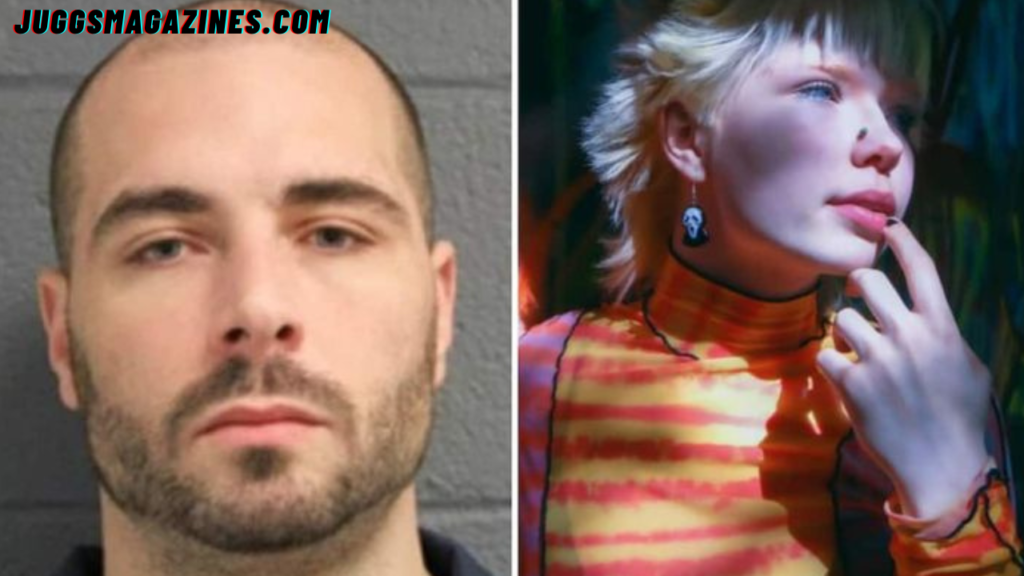
Early Life and Family Background
Eric Hartter was born on January 22, 1979, in Roseville, Michigan, a small city in Macomb County just northeast of Detroit.
Growing up in the Detroit metropolitan area during the 1980s and 1990s, Eric experienced the cultural richness and economic challenges that characterized southeastern Michigan during that era.
His mother, Marie Hartter, raised him in an environment where creativity and self-expression were valued, though specific details about his father and extended family remain limited in public records.
Detroit’s vibrant art community and underground culture had a profound impact on young Eric’s development. The city’s reputation for music, street art, and body modification provided fertile ground for his artistic interests to flourish.
Growing up in Wayne County, Eric witnessed firsthand the struggles many working-class families faced, including economic hardship and substance abuse issues that plagued communities throughout the region.
During his childhood and teenage years in Roseville and the greater Detroit area, Eric developed an interest in visual arts and intricate designs.
His early influences came from the tattoo culture that was gaining mainstream acceptance in the 1990s, as well as the punk and alternative music scenes that thrived in Detroit.
These formative experiences in southeastern Michigan would shape his career path and artistic style, eventually leading him to become a respected tattoo artist in the Detroit community.
The environment of his youth, characterized by both creative opportunity and socioeconomic challenges, foreshadowed the complex life Eric would lead—one marked by artistic achievement alongside personal struggles with addiction and legal issues that would ultimately define much of his adult life.
Career as a Professional Tattoo Artist
Eric Hartter established himself as a skilled professional tattoo artist in the Detroit area, building a reputation for his technical abilities and creative approach to body art.
His entry into the tattoo industry came during the late 1990s and early 2000s, a period when tattooing was transitioning from underground subculture to mainstream acceptance across the United States.
As a Detroit tattoo artist, Eric specialized in intricate designs that showcased his attention to detail and artistic vision.
His work often featured complex linework, shading techniques, and compositions that demonstrated his understanding of both traditional and contemporary tattoo styles.
Colleagues and clients in the art community recognized his talent for translating ideas into permanent body art that reflected individual stories and aesthetics.
Working in various tattoo shops throughout Detroit, Michigan, Eric built a clientele that appreciated his dedication to the craft.
The creative professional approached each piece with careful consideration, ensuring that his tattoos met both technical standards and artistic expectations.
His reputation in the local tattoo scene grew as word spread about his abilities, particularly his skill in executing custom designs that required precision and artistic sensitivity.
Despite his talents as a tattoo artist, Eric’s career was often interrupted by his personal struggles with substance abuse and legal issues.
These challenges prevented him from achieving the level of professional success and financial stability that his artistic abilities might have otherwise afforded him.
Nevertheless, those who worked with him or received tattoos from Eric remember him as a talented artist whose work contributed to Detroit’s rich body art tradition.
In the broader context of the arts industry, Eric represented countless talented individuals whose careers are derailed by addiction and legal problems.
His professional legacy lives on through the tattoos he created, which continue to be worn by clients throughout the Detroit metropolitan area, serving as permanent reminders of his artistic contributions to the community.
Physical Appearance: Height, Weight & More
Eric Hartter had a distinctive physical appearance that those who knew him easily recognized throughout the Detroit area.
According to various accounts and records, Eric stood approximately 5’8″ to 5’10” tall (roughly 173 to 178 centimeters), placing him at average height for an American male of his generation.
His weight was reported to be around 76 kilograms (approximately 168 pounds), giving him a relatively lean build.
As a tattoo artist working in the creative fields, Eric maintained an appearance that reflected the alternative aesthetic common among professionals in the body art industry during the early 2000s.
Eric had a fair complexion consistent with his Caucasian ethnicity and features that were characteristic of individuals from the Midwest.
Those who knew him described him as having a presence that reflected both his artistic sensibility and the harder edges of someone who had experienced significant personal struggles.
His appearance bore the marks of someone living with drug addiction—a reality that became increasingly evident as his substance abuse issues intensified over the years.
As a professional tattoo artist in Detroit, Michigan, Eric likely had his own body art, as was common practice among tattoo professionals who often used their own bodies as canvases to showcase their work and commitment to the craft. However, specific details about his own tattoos remain scarce in available public information.
By the time of his death at age 40 in August 2019, Eric’s appearance reflected the toll that years of substance abuse and difficult living circumstances had taken on his body.
The Wayne County Medical Examiner’s Office would later confirm that his physical condition at the time of death was consistent with long-term drug use, particularly involving opioids like fentanyl and stimulants like cocaine.
His physical presence, while diminished by addiction in his final years, remains part of how family members and acquaintances remember the man who was both a talented artist and a troubled individual struggling with demons that ultimately proved fatal.
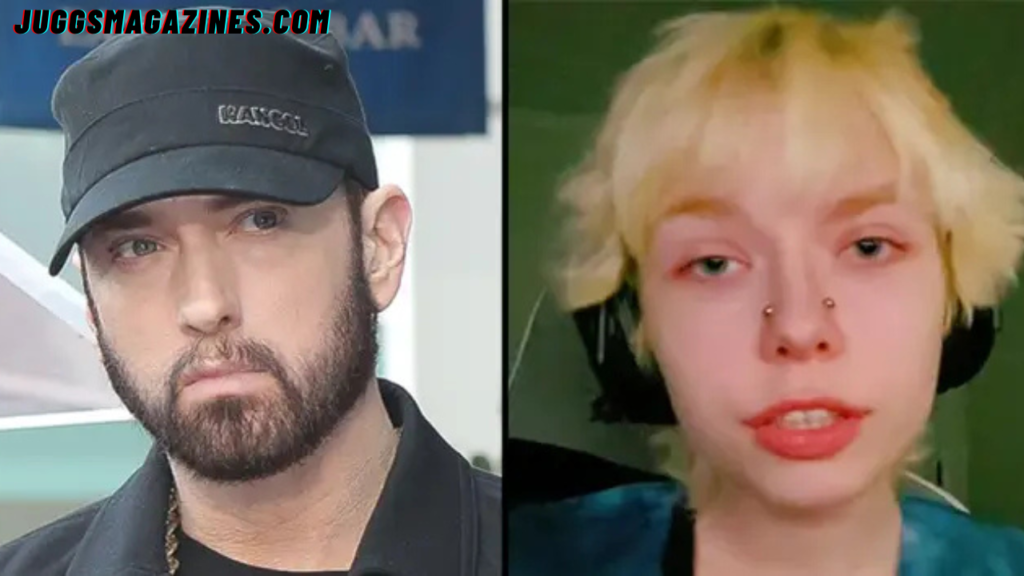
Relationship with Kim Mathers – Eminem’s Ex-Wife
The relationship between Eric Hartter and Kimberly Anne Scott (Kim Mathers) represents one of the most significant chapters in Eric’s life, connecting him permanently to one of hip-hop’s most famous families.
Kim Mathers, who had an on-again, off-again relationship with rapper Eminem (Marshall Mathers) throughout the 1990s and early 2000s, met Eric during one of her separation periods from the famous rapper.
According to various accounts, Eric and Kim Scott met around 2001, during a time when Kim and Marshall Mathers were going through one of their many breakups.
The two had divorced in 2001 after a tumultuous marriage, and Kim was navigating life as a single mother to Hailie Jade Scott Mathers (Eminem’s biological daughter) while also caring for Alaina Marie Scott (the daughter of Kim’s late twin sister, Dawn Scott, whom Eminem had adopted).
The relationship between Eric and Kim Mathers developed quickly but was complicated from the start. Eric, working as a tattoo artist in Detroit, connected with Kim during a vulnerable period in both of their lives.
Their relationship, which lasted approximately from late 2001 into early 2002, resulted in the pregnancy that would produce their daughter, Whitney Scott Mathers (now known as Stevie Laine Mathers).
However, the relationship between Eric and Kim ended before their daughter was born on April 16, 2002. The circumstances surrounding their breakup remain somewhat unclear, but Eric’s escalating legal issues and drug addiction problems played a significant role.
At the time Kim was pregnant, Eric was facing criminal charges and would soon be incarcerated, making it impossible for him to be present for the birth of his daughter.
By the time Whitney was born, Kim had reconciled with Eminem, and the rapper agreed to raise the child as his own, despite knowing he was not the biological father.
Marshall Mathers officially adopted Whitney, and she became part of the Mathers family alongside her half-sisters Hailie Jade and Alaina Marie.
The relationship between Eric Hartter and Kim Mathers was never formalized through marriage, and Eric was largely absent from both Kim’s and Whitney’s lives following the early stages of the pregnancy.
His inability to maintain contact was due primarily to his incarceration in the Wayne County jail system and his ongoing struggles with substance abuse that made him unreliable and unable to provide the stability a father should offer.
In later years, there is no evidence that Eric and Kim maintained any significant relationship. Kim moved forward with her life, continuing her complicated relationship with Eminem (they would remarry briefly in 2006 before divorcing again), while Eric remained trapped in cycles of addiction and legal troubles that prevented him from playing any meaningful role in his daughter’s upbringing.
The relationship, brief as it was, would have lasting consequences for all involved, particularly for Stevie Laine Mathers, who would grow up knowing Eminem as her father figure while being aware of the existence of her biological father, Eric, who remained a largely absent presence throughout her childhood and teenage years.
Eric Hartter’s Daughter – Stevie Laine Mathers
Eric Hartter’s most enduring legacy is his daughter, Stevie Laine Mathers, who was born Whitney Scott Mathers on April 16, 2002.
The circumstances surrounding Stevie’s birth and upbringing tell a poignant story about family, identity, and the impact of a biological father’s absence.
When Kim Mathers was pregnant with Whitney in early 2002, Eric was unable to be present due to his incarceration in the Wayne County jail system on drug-related charges.
This absence at such a critical moment set the tone for Eric’s relationship—or lack thereof—with his daughter. He was in jail when Whitney was born and would remain largely absent from her life due to his continued legal issues and drug addiction struggles.
Understanding that Eric Hartter would not be able to provide for or raise his daughter, Eminem (Marshall Bruce Mathers III) stepped in to fill the father figure role.
Despite the complicated nature of his relationship with Kim Scott, Eminem officially adopted Whitney, giving her the surname Mathers and raising her alongside his biological daughter Hailie Jade and his other adopted daughter Alaina Marie (Kim’s niece).
In Eminem’s household, Whitney was treated as his daughter in every meaningful sense, with the rapper providing financial support, protection, and paternal care.
Growing up, Whitney was largely shielded from the media spotlight, though she was occasionally referenced in Eminem’s music and public statements about his family.
The rapper made it clear through his actions and words that he considered all three girls—Hailie, Alaina, and Whitney—to be his daughters, regardless of biological connections.
Eric’s absence from Stevie’s life was complete. There is no evidence that he had regular contact with his daughter, attended school events, provided financial support, or played any role in her upbringing.
His personal struggles with substance abuse and frequent encounters with law enforcement made him an unreliable presence, and the decision by Kim and Eminem to keep him at a distance was likely made to protect Whitney from the instability that characterized Eric’s life.
In August 2020, at age 18, Whitney made a significant announcement on social media, revealing that they identified as non-binary and would be using the name Stevie Laine and they/them pronouns.
This announcement was met with support from family members, including Eminem, who has been publicly supportive of Stevie’s identity journey. The name change represented Stevie’s assertion of personal identity and autonomy as they entered adulthood.
Regarding Stevie’s relationship with Eric Hartter, there is little public information about whether they ever met or had any meaningful contact before his death in August 2019.
Given that Eric died when Stevie was 17 years old, there was technically time for them to have established some connection, but no evidence suggests this occurred.
In interviews and social media posts, Stevie has referred to Eminem as their father, indicating that the rapper who raised them—not their biological father—is whom they consider their true parent.
As of 2026, Stevie Laine Mathers is 23 years old and navigating young adulthood with the support of the Mathers family.
They have occasionally shared glimpses of their life on social media, showing interests in art, self-expression, and social issues.
The contrast between Stevie’s stable, supported upbringing and the chaos that characterized Eric Hartter’s life demonstrates the profound impact that Eminem’s decision to adopt and raise Stevie had on their life trajectory.
For Stevie, Eric Hartter represents a biological connection rather than a parental relationship. While Stevie may have complex feelings about their birth father and the circumstances of their origins, they were fortunate to have a father figure in Marshall Mathers who provided the stability, love, and support that Eric was unable to offer.
This reality underscores the important distinction between being a biological father and being a dad—a role that Eminem filled while Eric remained a largely absent figure.
Eric Hartter Net Worth and Financial Status
Estimating Eric Hartter’s net worth is challenging due to the limited financial records available and the unstable nature of his career and personal life.
Various sources provide differing estimates, ranging from as low as $50,000 to as high as $400,000, though some unreliable sources have claimed figures as high as $3 million, which appears to be completely unfounded given the circumstances of his life.
The most credible estimates place Eric’s net worth between $50,000 and $150,000 at various points in his career as a professional tattoo artist. This range reflects the earning potential of a skilled tattoo artist working in the Detroit metropolitan area during the early 2000s.
Tattoo artists with established reputations can earn substantial incomes through custom work, with individual pieces ranging from hundreds to thousands of dollars depending on size, complexity, and the artist’s reputation.
However, several factors significantly impacted Eric Hartter’s financial status and prevented him from accumulating or maintaining wealth:
Income Sources: Eric’s primary income came from his work as a tattoo artist in various shops throughout Detroit, Michigan. When he was able to work consistently, this would have provided a decent income.
Skilled tattoo artists in major metropolitan areas can earn between $30,000 and $60,000 annually, with top artists earning considerably more. However, Eric’s income was irregular due to his personal struggles.
Financial Challenges: Eric’s drug addiction created enormous financial strain. Substance abuse is notoriously expensive, with individuals often spending hundreds or thousands of dollars weekly on drugs.
The cost of maintaining an addiction to cocaine and opioids (which eventually included fentanyl) would have consumed a significant portion of any income Eric generated.
Legal Expenses: Eric’s recurring legal issues resulted in substantial costs including bail bonds, legal representation, court fees, and fines. Each arrest and court appearance drained financial resources that might otherwise have been saved or invested.
Incarceration Impact: Time spent in the Wayne County jail system meant periods of zero income. Each incarceration interrupted his career, caused him to lose clients, and made it difficult to maintain consistent employment when released.
Lack of Financial Planning: There is no evidence that Eric had savings accounts, retirement funds, investments, or property ownership. His lifestyle and personal struggles prevented the kind of financial planning that builds long-term wealth.
No Child Support Obligations: Although Eric was the biological father of Stevie Laine Mathers, he never provided financial support for his daughter.
Eminem assumed all financial responsibility for Stevie, meaning Eric avoided child support payments but also had no financial connection to his daughter.
By the time of his death in August 2019, Eric Hartter was essentially indigent. He was found deceased in an abandoned house in Detroit, suggesting he was likely homeless or living in extremely precarious circumstances.
His mother, Marie Hartter, had to create a GoFundMe campaign to raise money for his burial expenses, indicating that Eric had no life insurance, savings, or assets that could cover even basic funeral costs.
The GoFundMe campaign aimed to raise funds for a proper burial and memorial, highlighting the stark financial status Eric faced at the end of his life. This stands in sharp contrast to the wealth and financial security that his daughter Stevie enjoys as part of the Mathers family, with Eminem’s estimated net worth being in the hundreds of millions of dollars.
Eric’s economic success, or lack thereof, serves as a cautionary tale about how drug addiction and legal issues can destroy financial stability regardless of one’s talents or earning potential.
As a skilled tattoo artist, Eric had the ability to earn a comfortable living, but his substance abuse and criminal activities ensured that he never achieved the financial security his skills might have otherwise provided.
Legal Issues and Drug Addiction Struggles
Eric Hartter’s adult life was marked by extensive legal issues and a severe drug addiction that ultimately led to his premature death.
His criminal record and struggles with substance abuse not only prevented him from being present in his daughter’s life but also derailed his career and destroyed his health.
Criminal Record: Eric had numerous encounters with law enforcement throughout Wayne County and the broader Detroit area. His criminal record included multiple arrests and incarcerations primarily related to drug offenses. Specific charges included:
- Possession of controlled substances (including cocaine and opioids)
- Drug paraphernalia charges
- Probation violations
- Potential theft or property crimes related to funding his addiction
Eric spent considerable time in the Wayne County jail system, with multiple incarcerations disrupting any stability he might have achieved.
Most significantly, he was incarcerated in early 2002, which meant he was in jail when his daughter Whitney (now Stevie Laine) was born on April 16, 2002.
This absence at such a critical moment exemplifies how his legal issues directly impacted his ability to be a father.
Drug Addiction: Eric’s substance abuse problems were severe and long-standing. He struggled with addiction to multiple substances, including:
Cocaine: A powerful stimulant that Eric used regularly, contributing to both his health deterioration and financial problems. Cocaine addiction often leads to erratic behavior, financial instability, and health complications including cardiovascular issues.
Opioids: Eric’s addiction progressed to include opioid drugs, eventually encompassing fentanyl, a synthetic opioid that is 50-100 times more potent than morphine. Fentanyl addiction is particularly dangerous due to the drug’s extreme potency and the high risk of fatal overdose.
His drug addiction created a destructive cycle: substance abuse led to legal issues, which resulted in incarceration and loss of employment, which increased stress and made sobriety more difficult to achieve, which led to continued drug use. This pattern repeated throughout Eric’s adult life, preventing him from maintaining consistent employment as a tattoo artist, building meaningful relationships, or being present for his daughter.
Impact on Personal Life: Eric’s personal struggles with addiction affected every aspect of his life:
- Career Destruction: His reputation as a tattoo artist was damaged by unreliability and missed appointments due to drug use and incarceration.
- Family Relationships: He was unable to maintain a relationship with Kim Mathers or be a father to Stevie Laine.
- Housing Instability: His addiction eventually led to homelessness, as evidenced by his being found deceased in an abandoned house.
- Health Deterioration: Years of substance abuse destroyed his physical health, making him vulnerable to the fatal overdose that would claim his life.
Failed Treatment Attempts: While specific details about treatment attempts are not publicly available, it’s common for individuals with severe addiction to cycle through treatment programs, detox facilities, and periods of attempted sobriety without achieving long-term recovery.
The nature of opioid addiction, particularly involving fentanyl, makes successful recovery extremely challenging even with professional help.
Probation Violations: Eric’s record shows multiple probation violations, suggesting that even when given opportunities to avoid incarceration through supervised release, he was unable to comply with court-ordered requirements, likely due to continued drug use.
The severity of Eric Hartter’s drug addiction and legal issues cannot be overstated. These problems were not merely obstacles in his life—they defined his adult existence, preventing him from achieving his potential as an artist, father, and member of the Detroit community.
His struggles reflect the broader opioid epidemic that has devastated communities throughout Michigan and the entire United States, destroying lives, families, and futures.
Understanding Eric’s battles with addiction provides important context for why he was absent from Stevie’s life and why Eminem took on the parental role.
It also highlights the tragedy of addiction: a talented tattoo artist with a daughter who needed him was unable to overcome his demons despite presumably understanding the consequences of his continued drug use.

Eric Hartter Death – What Happened?
Eric Hartter died in August 2019 at the age of 40 years old in a tragedy that was both sudden and, given his history, predictable.
His death occurred in Detroit, Michigan, and was officially ruled as a drug overdose involving fentanyl and cocaine—a lethal combination that has claimed countless lives in the ongoing opioid epidemic.
Discovery of the Body: According to reports, Eric was found deceased in an abandoned house in Detroit. The exact address has not been publicly disclosed out of respect for the family, but the location speaks to the desperate circumstances Eric faced in his final days.
Being found in an abandoned structure suggests he was either homeless or using the location as a place to consume drugs away from public view, a common practice among individuals with severe addiction.
Eric’s body was discovered by family members who had been searching for him after he had been out of contact. The family’s decision to check abandoned properties in the area suggests they were familiar with Eric’s patterns and the dangerous lifestyle he was leading.
The discovery was made by his mother, Marie Hartter, and possibly other relatives who had been worried about his wellbeing.
Cause of Death: The Wayne County Medical Examiner’s Office conducted an autopsy and toxicology examination. The official cause of death was determined to be a fatal overdose resulting from the combined effects of fentanyl and cocaine. This combination, sometimes called a “speedball” effect when intentionally mixed, is particularly deadly because:
- Fentanyl is an extremely potent synthetic opioid that depresses respiratory function. It’s 50-100 times stronger than morphine and has an extremely narrow margin between an effective dose and a fatal one.
- Cocaine is a stimulant that can mask some of fentanyl’s effects, potentially leading users to consume more opioid than they realize.
- The combination places extreme stress on the cardiovascular and respiratory systems, often resulting in respiratory failure, cardiac arrest, or both.
The presence of fentanyl is particularly significant because this drug has been responsible for a dramatic increase in overdose deaths across the United States.
Often, fentanyl is mixed into other drugs without the user’s knowledge, meaning Eric may not have known he was consuming this particularly dangerous substance.
Circumstances Leading to Death: While the specific events of Eric’s final hours remain private, the circumstances suggest a familiar pattern seen in fatal overdoses:
Eric was likely using drugs alone in the abandoned house in Detroit, without anyone present who could call for emergency help if he overdosed.
Using drugs in isolation dramatically increases the risk of death because there’s no one to administer naloxone (Narcan), perform CPR, or call 911.
His tolerance to opioids may have fluctuated if he had recently been released from jail or had brief periods of reduced use, making him more vulnerable to overdose.
Paradoxically, periods of abstinence can be particularly dangerous for people with addiction because they lose their tolerance but return to using at the same doses they used before.
The combination of cocaine and fentanyl suggests Eric may have been seeking a particular effect or may have unknowingly consumed fentanyl that was mixed into cocaine he purchased. The unpredictable nature of street drugs makes each use potentially fatal.
Timeline and Death Date: Eric died in late August 2019, though the exact date (August 22) has been reported by some sources. He was 40 years old at the time of his death.
His daughter, Stevie Laine Mathers, was 17 years old and would turn 18 the following year. Eric passed away without having established any meaningful relationship with his daughter, denied that opportunity by his decades-long battle with substance abuse.
Official Pronouncement: When family members found Eric, they immediately contacted the Detroit Police Department.
Emergency responders arrived at the scene and officially pronounced Eric DOA (dead on arrival). There was no opportunity for life-saving intervention because too much time had elapsed since the overdose occurred.
Family Response and Funeral: Following Eric’s death, his mother Marie Hartter faced the difficult task of arranging his funeral and burial.
The family was in financial distress and unable to afford burial expenses, leading Marie to create a GoFundMe campaign to raise funds for a proper funeral and memorial service.
The GoFundMe campaign highlighted the tragedy of Eric’s life and death, describing him as a talented artist who struggled with addiction. The campaign sought to raise several thousand dollars to cover costs including:
- Funeral service
- Burial plot
- Casket
- Memorial service
- Related expenses
The need for crowdfunding to cover burial expenses underscored the financial devastation Eric’s addiction had caused. Despite his talents as a tattoo artist and his connection to one of the world’s most famous rappers through his daughter, Eric died essentially penniless, leaving his elderly mother to solicit donations from strangers to provide him with a dignified burial.
Memorial and Final Resting Place: Details about Eric’s funeral service and final resting place have been kept private by the family. It’s unknown whether Kim Mathers, Eminem, or Stevie Laine attended any memorial service. Given the lack of relationship Eric had with his daughter and the complicated history with Kim, their absence would not be surprising, though they may have chosen to pay respects privately.
Notification and Media Coverage: Eric’s death initially received limited media attention. However, once news outlets made the connection between Eric and his daughter Stevie (Eminem’s adopted daughter), the story gained more coverage. Most reports were respectful of the family’s privacy while acknowledging the tragic nature of Eric’s death and his connection to the famous rapper.
There is no evidence that Eminem made any public statements about Eric’s death. The rapper, known for protecting his family’s privacy, likely handled the situation internally within the family, particularly in terms of how to discuss it with Stevie if they had questions about their biological father’s passing.
Legacy of His Death: Eric Hartter’s death represents a tragic but common story in the opioid epidemic that has ravaged Michigan and communities across America. His passing serves as a stark reminder of how addiction can destroy lives regardless of talent, family connections, or opportunities. It also highlights the particular danger of fentanyl, which has made the drug supply increasingly deadly in recent years.
For Stevie Laine Mathers, Eric’s death meant the permanent loss of any possibility of developing a relationship with their biological father. While Eric had been absent throughout Stevie’s life, his death removed even the theoretical possibility of future connection or reconciliation.
The circumstances of Eric’s death—alone in an abandoned house in Detroit, found by his family days later, requiring crowdfunded burial expenses—paint a picture of profound isolation and suffering that characterized his final years. His untimely death at just 40 years old cut short a life that, despite its troubles, had produced at least one lasting contribution: a daughter who, through the care of others, would have opportunities and stability that eluded her biological father.
Legacy and Impact in 2026
As we reflect on Eric Hartter’s life from the perspective of 2026, seven years after his death, his legacy is complex and multifaceted. While his life was marked by struggle and unfulfilled potential, Eric’s impact continues to be felt by those who knew him and particularly by his daughter, Stevie Laine Mathers.
Remembered by Family: Eric’s mother, Marie Hartter, and extended family members remember him as more than the sum of his struggles. Despite his drug addiction and legal issues, those who loved him recall the person he was before addiction took hold—a talented young man with artistic abilities and potential that was never fully realized.
Family members who remember Eric from before his descent into severe addiction speak of his creativity, his skill as a tattoo artist, and the person he might have become if circumstances had been different. The GoFundMe campaign created after his death described him as someone who battled demons but was loved by his family, a testament to the complicated grief experienced by those who love someone with addiction.
For Marie, Eric’s death represented the loss of her son but also perhaps a tragic end to years of worry, fear, and helpless watching as addiction destroyed his life. As of 2026, Marie likely continues to mourn the loss while perhaps finding some peace in knowing Eric’s suffering has ended.
Impact on Stevie Laine Mathers: Now 23 years old in 2026, Stevie Laine has grown into adulthood without ever having had a relationship with their biological father. The impact of this absence is complex and personal. While Eminem provided everything a father should—love, support, stability, and resources—Stevie may still process complex emotions about Eric’s absence and death.
Some possible impacts on Stevie include:
- Identity Questions: Understanding one’s biological origins is important for many people. Stevie may have questions about Eric’s personality, talents, medical history, and what traits they might have inherited from their birth father.
- Grief and Loss: Even for a parent one never knew, death can trigger grief. Stevie lost the possibility of ever meeting Eric, hearing his side of the story, or potentially reconciling with him as an adult.
- Gratitude for Eminem: The contrast between Eric’s absence and Marshall Mathers’ presence may deepen Stevie’s appreciation for the father who chose to raise them despite having no biological obligation to do so.
- Understanding of Addiction: Eric’s death from drug overdose provides Stevie with firsthand knowledge of addiction’s devastating consequences, potentially influencing their own choices and perspective on substance abuse.
As of 2026, Stevie has not made extensive public statements about Eric, choosing instead to focus on their relationship with the Mathers family and their own journey of self-discovery and identity. This silence speaks to the complicated nature of their feelings about a man who was simultaneously their biological connection and a complete stranger.
Artistic Contributions: Eric’s professional legacy as a tattoo artist lives on through the work he created. Throughout Detroit, Michigan, individuals still wear tattoos Eric designed and executed during his career. These permanent art pieces represent his positive contributions to the art community and demonstrate that despite his personal struggles, he possessed real talent and skill.
Former clients and fellow artists in the Detroit tattoo community remember Eric’s technical abilities and creative vision. His intricate designs showcased an artistic sensibility that, had it been paired with stability and sobriety, might have led to a distinguished career in body art. The tattoos he created remain as tangible evidence of his talents, lasting long after his death.
Community Remembrance: In the Detroit area, particularly within the recovery and addiction support communities, Eric’s story serves as both a cautionary tale and a reminder of the opioid epidemic’s human toll. His death from fentanyl and cocaine overdose represents one of countless similar tragedies that have devastated Michigan communities.
Support groups, harm reduction organizations, and addiction treatment facilities in Wayne County and throughout Detroit sometimes reference stories like Eric’s to illustrate the stakes of untreated addiction and the importance of accessible treatment options. While Eric’s name may not be widely known outside contexts involving Eminem, his experience reflects the common pattern of talented individuals destroyed by substance abuse.
Connection to Eminem’s Story: Part of Eric’s legacy is inevitably tied to his connection to one of hip-hop’s most famous families. Eminem has built a career partly on unflinching honesty about addiction, family dysfunction, and personal struggle. The rapper’s decision to adopt Whitney (now Stevie) and provide her with stability despite the complications of Kim’s relationship with Eric demonstrates the values Eminem has tried to uphold as a father.
In Eminem’s broader narrative, Eric represents a path not taken—what might have happened to Marshall Mathers if he hadn’t found success in music or overcome his own battles with addiction. The rapper’s sobriety since 2008 stands in stark contrast to Eric’s inability to achieve lasting recovery, highlighting how different outcomes can emerge from similar struggles with substance abuse.
Lessons and Broader Impact: Eric Hartter’s life offers several painful lessons that remain relevant in 2026:
- Addiction is Deadly: Eric’s death from fentanyl overdose reinforces the lethal nature of modern street drugs and the opioid epidemic’s continued threat to American communities.
- Talent Isn’t Enough: Eric’s skills as a tattoo artist weren’t sufficient to overcome his addiction, demonstrating that capability and potential cannot compensate for untreated substance abuse disorders.
- Consequences Beyond Self: Eric’s personal struggles had the greatest impact on his daughter, who grew up without her biological father due to his choices and inability to achieve recovery.
- Importance of Treatment Access: Eric’s story highlights the need for accessible, effective addiction treatment that might have given him a chance at recovery and the opportunity to know his daughter.
- The Role of Chosen Family: Eminem’s decision to adopt and raise Stevie demonstrates that family is defined by love and action rather than biology alone, a lesson that resonates for many non-traditional families.
What Might Have Been: One of the saddest aspects of reflecting on Eric’s legacy is considering the alternate timeline where he achieved sobriety. In that scenario, he might have:
- Developed a relationship with Stevie Laine and been part of their life
- Built a successful career as a respected tattoo artist in Detroit
- Contributed positively to the art community and perhaps mentored younger artists
- Lived to see his grandchildren and enjoyed a longer, healthier life
- Provided his family with positive memories rather than grief and loss
Instead, Eric’s legacy is one of unfulfilled potential and tragic loss, a reminder that addiction steals not just lives but all the future possibilities those lives contained.
Final Thoughts on Legacy: As we assess Eric Hartter’s impact in 2026, it’s important to remember him as a complete person—not merely as Eminem’s baby mama’s ex or Stevie’s absent biological father, but as a human being who struggled, created art, and ultimately lost his battle with demons that millions of others also face.
His death serves as a data point in the ongoing crisis of opioid addiction in America, but it also represents the loss of an individual life with inherent value beyond his connections to famous people. For those who loved him, Eric’s legacy is personal and painful. For those who never knew him, his story serves as a reminder of the human cost of the drug addiction epidemic and the importance of compassion for those trapped in cycles of substance abuse.
In the end, perhaps Eric’s most lasting legacy is his daughter, Stevie Laine Mathers, who at 23 years old in 2026 has the opportunity to live the healthy, stable life that eluded their biological father. If Stevie makes positive contributions to the world, pursues their passions, and builds healthy relationships, they will represent the potential that Eric carried but was unable to fulfill—a legacy of possibility rather than tragedy.

Frequently Asked Questions
Who was Eric Hartter?
Eric Hartter was an American professional tattoo artist from Detroit, Michigan, born on January 22, 1979. He is best known as the biological father of Stevie Laine Mathers (formerly Whitney Scott Mathers), who was adopted and raised by rapper Eminem.
Eric had a brief relationship with Kim Mathers (Eminem’s ex-wife) in 2001-2002, which resulted in Stevie’s birth. Throughout his adult life, Eric struggled with drug addiction and legal issues that prevented him from being present in his daughter’s life.
He worked as a tattoo artist specializing in intricate designs and was known in the Detroit art community for his technical skills. Eric died in August 2019 at age 40 from a drug overdose involving fentanyl and cocaine.
How old was Eric Hartter when he died?
Eric Hartter was 40 years old when he died in August 2019. He was born on January 22, 1979, in Roseville, Michigan, and passed away approximately 40 years and seven months later in Detroit.
His untimely death at this relatively young age was the result of years of substance abuse and drug addiction, ultimately caused by a fatal overdose of fentanyl and cocaine.
At the time of his death, his daughter Stevie Laine Mathers was 17 years old and would turn 18 the following year.
Eric’s death at age 40 represents a tragic loss of life to the ongoing opioid epidemic that has devastated communities throughout Michigan and the entire United States.
What was Eric Hartter’s net worth?
Eric Hartter’s net worth is estimated to have been between $50,000 and $400,000 at various points in his career, with the most credible estimates placing it in the $50,000-$150,000 range. However, by the time of his death in August 2019, Eric had virtually no assets or wealth.
His financial status was severely impacted by his long-standing drug addiction, legal issues, and periods of incarceration. The cost of maintaining his substance abuse habit consumed most of his income from working as a tattoo artist.
When he died, his family had to create a GoFundMe campaign to raise money for his burial expenses, indicating he had no savings, life insurance, or assets.
His economic success was limited despite his talents as a creative professional in the arts industry, demonstrating how addiction can destroy financial stability.
Was Eric Hartter married to Kim Mathers?
No, Eric Hartter was never married to Kim Mathers. They had a brief relationship that lasted from approximately late 2001 to early 2002, during a period when Kim was separated and divorced from Eminem (Marshall Mathers).
The relationship resulted in the birth of their daughter, Whitney Scott Mathers (now Stevie Laine Mathers), on April 16, 2002. However, Eric and Kim Scott were never engaged or married. The relationship ended before Whitney was born, largely due to Eric’s legal issues and drug addiction problems.
Eric was actually incarcerated in the Wayne County jail system when his daughter was born and was therefore unable to be present at the birth.
After the relationship ended, Kim Mathers reconciled with Eminem, who agreed to adopt Whitney and raise her as his own daughter despite knowing he was not her biological father.
Who is Eric Hartter’s daughter?
Eric Hartter’s daughter is Stevie Laine Mathers, who was born Whitney Scott Mathers on April 16, 2002. Stevie is the biological child of Eric and Kim Mathers (Eminem’s ex-wife). However, Eric was largely absent from Stevie’s life due to his incarceration and drug addiction issues.
Eminem adopted Whitney shortly after her birth and raised her as his daughter alongside Hailie Jade Scott Mathers (his biological daughter) and Alaina Marie Scott (Kim’s niece, also adopted by Eminem).
In August 2020, at age 18, Whitney publicly came out as non-binary and announced they would be using the name Stevie Laine and they/them pronouns.
As of 2026, Stevie is 23 years old and continues to be supported by the Mathers family. There is no evidence that Stevie had any significant relationship with Eric before his death in 2019, and Stevie considers Eminem to be their father.
How did Eric Hartter die?
Eric Hartter died from a drug overdose in August 2019 at age 40. He was found deceased in an abandoned house in Detroit, Michigan, by family members who had been searching for him. The Wayne County Medical Examiner’s Office determined the cause of death to be a fatal overdose caused by the combined effects of fentanyl (a powerful synthetic opioid) and cocaine.
This lethal combination of a stimulant and opioid is particularly dangerous and has claimed countless lives in the opioid epidemic. Eric was found DOA (dead on arrival) by emergency responders, meaning he had been deceased for some time before being discovered.
The circumstances of his death—dying alone in an abandoned structure—reflect the desperate situation Eric faced in his final days due to his long battle with substance abuse. His death was ruled accidental, typical of drug overdose cases where users do not intend a fatal outcome.
What was Eric Hartter’s height?
Eric Hartter stood approximately 5’8″ to 5’10” tall (roughly 173 to 178 centimeters), placing him at average height for an American male. His weight was reported to be around 76 kilograms (approximately 168 pounds), giving him a relatively lean build.
As a tattoo artist in the Detroit area, Eric had an appearance that reflected the alternative aesthetic common in the body art industry during the early 2000s.
While specific detailed descriptions of his physical appearance are limited in public records, those who knew him could recognize him easily throughout the Detroit, Michigan community where he worked and lived.
Did Eric Hartter meet Eminem?
There is no public information or evidence suggesting that Eric Hartter ever met Eminem (Marshall Mathers). Given the circumstances of Eric’s relationship with Kim Mathers and his subsequent absence from his daughter’s life due to incarceration and drug addiction, it appears unlikely that the two men ever had any direct interaction.
Eminem adopted Eric’s daughter Whitney (now Stevie Laine) and raised her as his own, but this was done to provide stability for the child rather than as part of any relationship or agreement with Eric.
The rapper has never publicly discussed Eric or acknowledged any meeting between them. Eric’s legal issues and substance abuse problems likely made Eminem and Kim want to keep him at a distance to protect the children. ,
Any interaction between the two men, if it occurred at all, would have been minimal and is not documented in any public records or interviews.
Conclusion
Eric Hartter’s life represents both the tragedy of unfulfilled potential and the devastating consequences of drug addiction. Born in Roseville, Michigan in 1979, Eric possessed genuine talent as a professional tattoo artist creating intricate designs throughout Detroit’s art community.
However, his personal struggles with substance abuse and resulting legal issues prevented him from achieving the success his abilities deserved and, most significantly, from being a father to his daughter Stevie Laine Mathers.
His death from a fentanyl and cocaine overdose in August 2019 at age 40 serves as a stark reminder of the opioid epidemic’s human cost. While Eric’s biological father role was assumed by Eminem, who provided Stevie with the stability Eric could not, his story remains a poignant example of how addiction destroys lives, families, and futures, leaving behind only memories of what might have been.