Key Takeaways
- Compare traditional listings, cash buyers, and private investors based on your needs.
- Use comparable sales and property records to set realistic price expectations.
- As-is sales can reduce repair demands but still involve inspections and legal obligations.
- Compare net proceeds, closing costs, contingencies, and buyer reliability.
- Prepare property documents early and consult a Massachusetts real estate attorney when needed.
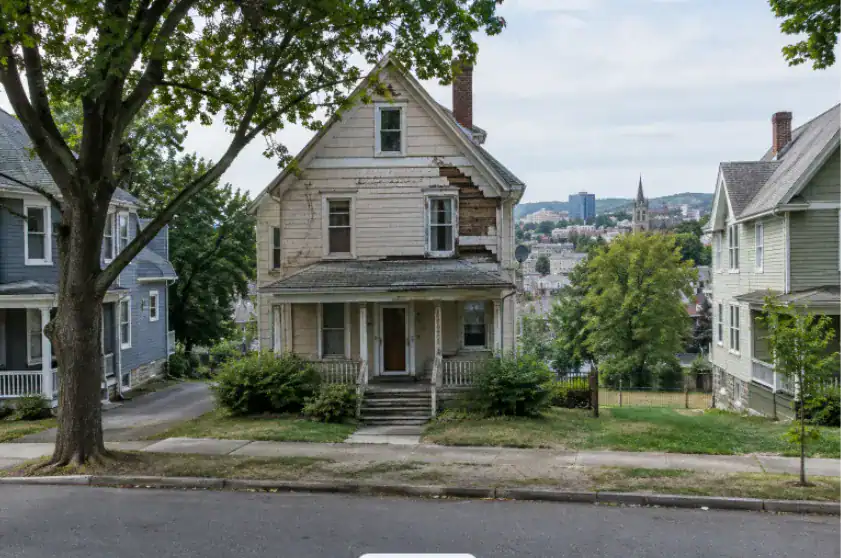
Selling a house that needs work can feel especially complicated when life is already moving quickly. Whether the property is inherited, tenant-occupied, outdated, or simply too expensive to repair, Worcester owners have more than one path forward. Homeowners who want to sell house quickly in Worcester, MA should begin by defining what matters most: maximum potential proceeds, a predictable closing date, fewer showings, or avoiding major repair projects. Worcester’s mix of historic homes, multifamily properties, newer construction, and distinct neighborhood conditions means that no single price estimate tells the full story. A home near a college, hospital, commuter route, or neighborhood business district may attract different buyers than a similar property elsewhere in the city. Condition still matters, particularly when a buyer expects immediate repairs.
What Worcester Sellers Should Know About the Market
A realistic sale plan starts with nearby comparable sales, not a statewide average or an automated estimate alone. Look for recently sold homes with a similar property type, size, location, and condition. A renovated single-family house and a three-decker with deferred maintenance may draw very different buyer pools, even when they are only a few blocks apart. Before setting expectations, owners can review property records and permit history maintained by the City of Worcester. Those records can help identify ownership details, assessment information, and prior permitted work. They are useful starting points, but an assessment is not the same thing as a current sale price. For owners comparing a traditional listing with a direct sale, IPS Cash is one option to evaluate alongside local agents, investors, and other potential buyers. The important step is to compare complete written terms, expected costs, contingencies, and closing reliability rather than focusing only on the number at the top of an offer.
What “As-Is” Means When Selling a House
An as-is sale generally means the seller does not plan to make repairs or provide repair credits beyond what the contract requires. It does not mean the buyer cannot inspect the home, renegotiate after an inspection, or include contingencies in an offer. Everything depends on the language in the purchase agreement. Massachusetts sellers should also understand that an as-is clause does not eliminate all legal notices or contractual obligations. For residential homes built before 1978, sellers and real estate agents must provide buyers with the required lead paint notification before the purchase agreement is signed. A Massachusetts real estate attorney can explain how disclosure rules and contract language apply to a specific property.
Ways to Sell an As-Is Home in Worcester
Traditional Listing
Listing with an agent can expose the property to a broad audience. It often involves cleaning, photos, showings, buyer inspections, financing timelines, and negotiation. This route may suit a seller who can wait for the right buyer and wants to test the wider market.
Direct Cash Sale
A direct buyer may offer fewer showings and a simpler process, which can help when a home is full of belongings, needs substantial work, or must be sold on a tight schedule. Sellers should still verify funds, request written terms, and understand whether the buyer can assign the contract to someone else.
Private Buyer or Investor Sale
Private buyers and investors may be interested in older homes, rentals, inherited properties, or houses in need of renovation. Ask who will be named as the buyer, who will control the deposit, whether inspections are planned, and what conditions must be met before closing.
Costs That Affect Net Proceeds
The offer price is not the amount a seller keeps. Build a simple net-proceeds estimate by subtracting the following items from the expected sale price:
- Mortgage, home-equity loan, lien, or judgment payoff amounts.
- Agent compensation, if an agent is involved.
- Attorney, title, recording, and closing charges.
- Prorated taxes, utilities, insurance, and condominium or association charges where applicable.
- Cleanup, moving, storage, landscaping, or repair expenses.
- Any inspection-related credit or negotiated price reduction.
A lower offer with fewer costs and a dependable closing can sometimes leave more money in the seller’s hands than a higher offer with commissions, repair requests, or uncertain financing.
Paperwork and Property Details to Gather
Organizing documents early can prevent delays. This is particularly important for inherited homes, properties with multiple owners, and rental buildings. Gather photo identification, the deed, recent mortgage statements, tax bills, insurance information, permit records, lease agreements, utility balances, and receipts for recent repairs. If the property is part of an estate or trust, collect probate documents, appointment papers, trust documents, and any evidence showing who has authority to sign. Title issues, unpaid taxes, and ownership questions are easier to address before a closing date is set.
Which Repairs Are Worth Considering?
Not every repair is worth completing before a sale. Small improvements that address safety, access, or first impressions may be practical, while a major renovation can consume time and money without producing a matching increase in value. Get two or three estimates before approving expensive work.
- Consider addressing active leaks, unsafe stairs, blocked exits, exposed electrical hazards, and serious moisture or pest problems.
- In colder months, a nonfunctioning heating system can limit buyer interest and complicate inspections.
- Removing debris, replacing a broken doorknob, and making basic cleaning improvements may help buyers assess the home more confidently.
How Long a Sale May Take
Every transaction has its own schedule. A conventional sale can involve preparation, marketing, offer review, inspection, financing, appraisal, title work, and closing. A direct sale may eliminate some steps, but title issues, probate matters, liens, and unclear ownership can still delay a transaction.
- Set a target closing date and identify the reason for selling.
- Review the property’s condition, debts, taxes, and ownership documents.
- Compare listing advice or written purchase offers.
- Review the purchase agreement, deposit, contingencies, and closing costs.
- Resolve title, payoff, and document issues with the closing professional.
- Confirm move-out terms, final walk-through details, and transfer of keys.
Red Flags During a Fast Sale
Speed should never replace review. Be cautious if someone pressures you to sign immediately, refuses to provide a written agreement, asks for substantial upfront fees, will not explain closing costs, or gives terms verbally that do not match the contract. Sellers should confirm the buyer’s identity, ask for proof of funds when appropriate, and have a Massachusetts attorney review the agreement before signing.
A Simple Worcester Home-Sale Checklist
- Write down your preferred closing date and financial goal.
- Confirm mortgage balances, taxes, liens, and ownership status.
- List known property issues and collect relevant records.
- Request more than one opinion of value or written offer.
- Compare estimated net proceeds, not just headline prices.
- Ask which party pays each closing expense.
- Review all final terms with a qualified attorney.
Common Questions From Worcester Homeowners
Can a house in poor condition still sell?
Yes. Homes with outdated finishes, deferred maintenance, tenant complications, or repair needs can still attract buyers. The condition will usually affect price, financing options, inspection results, and the number of interested buyers.
Is the highest offer always the best offer?
No. Consider the buyer’s financing, inspection and appraisal contingencies, deposit, closing date, requested credits, and ability to close. The strongest offer is the one that best fits your financial and timing needs.
What if the home was inherited?
An inherited Worcester property may require probate or other proof of authority before it can be sold. A closing attorney can identify the documents needed for the estate and title review.
Final Takeaway
Selling a home as-is in Worcester is not simply a decision to skip repairs. It is a decision that involves timing, risk, paperwork, pricing, and the net proceeds a seller can reasonably expect to receive. Although an as-is sale may reduce the need to renovate, clean, or prepare the property for showings, it does not remove the importance of reviewing disclosures, title requirements, buyer conditions, and closing costs. Sellers should also consider the property’s current condition, the level of interest it may attract, and whether a traditional listing or direct cash offer better fits their circumstances. Keeping clear property records, setting realistic expectations, comparing written offers, and carefully reviewing contract terms can help reduce misunderstandings throughout the process. When questions arise about legal obligations or closing documents, professional legal guidance can provide additional clarity. With careful preparation and a clear understanding of the trade-offs, Worcester homeowners can make a more informed decision and move toward a sale that aligns with their financial goals and timeline.


