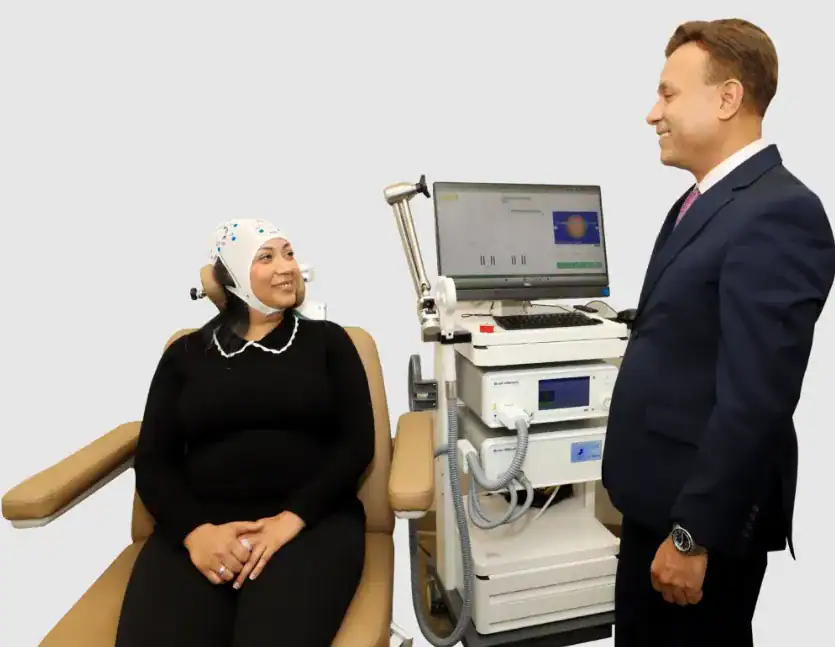
When you are living with persistent depression, finding relief can feel like an exhausting, uphill battle. If multiple antidepressant medications have failed to lift the cloud, you might feel like you are completely running out of options. However, modern interventional psychiatry offers advanced, non-invasive alternatives that look beyond traditional prescription pads. One of the most effective paths available today is Transcranial Magnetic Stimulation (TMS).
When you begin searching for TMS therapy near me, you are taking a proactive step toward a different kind of recovery. This guide will help you understand what makes a high-quality provider, how to navigate the insurance landscape, and what to expect during your care sequence so you can make an informed decision for your mental well-being.
Navigating Your Local Treatment Options
TMS is a non-invasive neurological treatment that uses targeted magnetic pulses to stimulate nerve cells in the brain areas associated with mood regulation. Unlike systemic medications that travel through your entire bloodstream, this approach delivers localized energy directly to the prefrontal cortex. It has become a premier choice for individuals seeking treatment-resistant depression options because it does not carry the systemic side effects typically associated with oral medications, such as weight gain, sexual dysfunction, chronic nausea, or emotional blunting.
As you explore your local options, it helps to understand that treatment protocols have evolved significantly over recent years. The standard approach involves short daily sessions spread over six to nine weeks, typically totaling thirty-six sessions. Each session lasts between twenty and forty minutes, during which you remain fully awake, sitting in a comfortable reclining chair. Because there is no sedation or anesthesia required, you can drive yourself to the appointments and return to your daily work or routine immediately afterward.
Recent clinical advancements have also introduced accelerated protocols, such as the five-day SAINT method, which compresses multiple sessions into a single week with brief rest intervals between them. When looking for a clinic in your vicinity, checking which types of protocols and equipment configurations they offer will help you select a format that aligns perfectly with your schedule and lifestyle constraints.
Key Criteria for Selecting the Right Provider
Proximity is convenient, but proximity should not be the single factor driving your decision. Since you will visit the clinic regularly during your treatment course, finding a center that blends cutting-edge technology with deeply compassionate care is essential. Here are the primary elements you should evaluate when comparing local centers.
Psychiatric Leadership and Medical Oversight
You should always verify that a board-certified psychiatrist actively oversees clinical decisions at the facility. TMS is a highly personalized medical procedure, not a simple automated therapy. An experienced medical doctor ensures that your diagnosis is accurate, monitors your progress, and manages any concurrent therapies or medications you might be taking. When you schedule an initial consultation, ask who will design your treatment blueprint and how often you will interface with the physician during your weeks of care. Reliable medical oversight guarantees safety and allows for quick clinical adjustments if your response pattern changes.
Advanced Target Mapping and Technology
The success of the therapy relies heavily on precision. During your very first appointment, the clinical team performs a process called motor threshold mapping. This calibration step identifies the precise area of your brain that controls thumb movement, which serves as a baseline to determine the correct location and magnetic intensity for your mood-regulation treatments. Top-tier clinics utilize advanced navigation systems and FDA-cleared devices to ensure that the coil placement remains perfectly consistent during every single visit. Some clinics offer deep TMS, which uses specialized coils to stimulate broader and deeper brain structures, while others focus on surface-level repetitive pulses. A great clinic will explain why their specific technology fits your needs.
Objective Progress Monitoring
A reputable provider does not guess whether you are improving. They track your journey using validated clinical rating scales, such as the Patient Health Questionnaire (PHQ-9) or the Hamilton Depression Rating Scale. By administering these assessments at regular intervals, the medical team can see concrete data regarding your symptom reduction. This clear tracking gives you tangible proof of your progress and allows the clinician to make real-time adjustments to your protocol if needed. It also gives you peace of mind, showing your journey toward remission in black and white.
Understanding Costs and Insurance Coverage
Navigating the financial side of medical treatment can often feel overwhelming, but the landscape for neuromodulation is highly supportive. Most major commercial insurance carriers, along with Medicare Part B and select state programs, offer comprehensive coverage for major depressive disorder when certain criteria are met. This makes it an accessible option compared to other alternative clinical interventions.
To qualify for insurance coverage, carriers typically require documented evidence that you have tried a specific number of antidepressant medications (usually between two and four distinct classes) without achieving adequate relief. They may also look at whether you have participated in evidence-based psychotherapy. When you choose a clinic, look for an office with a dedicated administrative team that handles the prior authorization process on your behalf. They will gather your medical history, coordinate with your referring doctor, and submit the necessary documentation to your insurer to minimize your administrative burden. They can also manage peer-to-peer reviews if an initial request faces a delay.
While insurance usually covers the bulk of the treatment cost, you should ask for a clear breakdown of your expected out-of-pocket costs, including co-payments or deductibles, before your first physical mapping session. A transparent provider will supply a complete financial estimate so you can plan your budget with absolute clarity.
Preparing for Your Treatment Experience
Knowing how TMS works can demystify the day-to-day experience and put your mind at ease. On the day of your session, you sit comfortably in a reclining chair. The technician places the magnetic coil gently against your scalp. When the machine is active, you will hear a clicking sound and feel a tapping sensation on your head, often compared to the feeling of an electric toothbrush or a woodpecker tapping gently against the skin. You will be given earplugs or headphones to minimize the clicking sound, and you can easily pass the time by chatting with the technician, reading, or watching a show.
To maximize your comfort and get the best possible outcome from your sessions, you can follow a few simple preparation guidelines:
- Maintain consistent sleep patterns: Going to bed and waking up at the same time helps keep your brain chemistry stable and receptive to the magnetic stimulation. Poor sleep can actively hinder your mood recovery.
- Stay well-hydrated: Drinking plenty of water and eating a light snack before your appointment can minimize the likelihood of mild, transient headaches or localized scalp discomfort.
- Limit stimulants and alcohol: Avoid altering your brain state with excessive caffeine or alcohol, as these substances can shift your natural seizure threshold and impact treatment safety.
- Communicate openly: Always tell your technician if you experience any discomfort during the session, as they can easily adjust the settings or the coil position to keep you completely at ease.
The vast majority of individuals tolerate the treatments exceptionally well. The most frequent side effects are minor scalp tenderness or a light headache during the first week, both of which typically fade quickly as your body adapts to the daily stimulation.
Taking the Next Step Toward Healing
Living with chronic depression can make you feel isolated, but you do not have to accept a life dictated by ineffective medications. Finding the right clinical team close to home can open the door to lasting remission and renewed energy. Many patients maintain their positive outcomes for twelve months or longer after completing their initial course, and some return for brief maintenance sessions if symptoms ever begin to surface again.
By focusing on providers who offer strong psychiatric oversight, clear progress tracking, and dedicated insurance advocacy, you can step into your treatment plan with absolute confidence. Reach out to a qualified local specialist today to evaluate your history and design a path forward tailored to your life.


