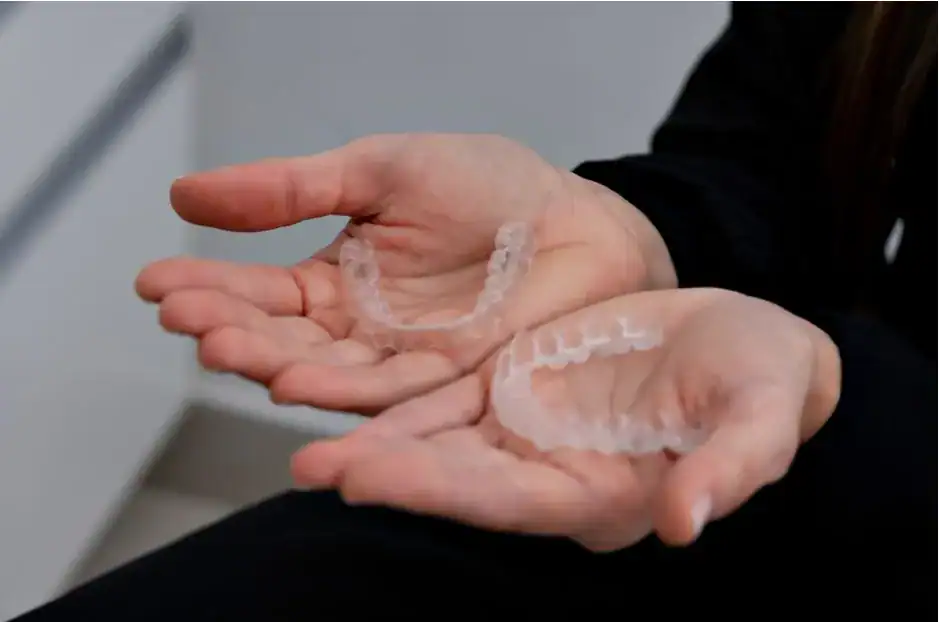
Clear aligners can seem like a simple way to straighten your teeth without brackets and wires, but there is more to the process than switching trays every few weeks. Treatment can affect your bite, oral hygiene, daily routine, budget, and long-term dental care. If you live near Wake Forest, North Carolina, understanding how clear aligners work and what treatment requires can help you make a more informed decision before getting started.
Clear Aligners Do More Than Improve Your Smile
Appearance is often the first reason people consider clear aligners, but orthodontic treatment is not purely cosmetic. Crowded, crooked, or poorly aligned teeth can make certain areas more difficult to brush and floss effectively. Bite problems may also affect chewing and contribute to uneven wear on teeth.
Potential benefits of correcting alignment can include:
– Less overlap that traps food
– Easier cleaning between and around teeth
– Improved bite function
– More even contact between teeth
– Greater confidence when speaking or smiling
Orthodontic treatment is ultimately about creating a healthier, more functional bite as well as improving appearance. The right treatment plan should consider both rather than focusing exclusively on how straight the front teeth look.
Find Out Whether Clear Aligners Fit Your Needs
Clear aligners can address many orthodontic concerns, but they are not automatically the right treatment for every patient. Mild crowding and spacing may be relatively straightforward, while more complicated tooth movements or bite problems can require additional planning.
Before committing, an orthodontic evaluation can help determine what needs to be corrected and whether aligners are suitable. If you are considering Invisalign in Wake Forest, NC, use the consultation to understand the proposed treatment rather than focusing only on the convenience or appearance of the trays.
Useful questions to discuss include:
– What alignment or bite problems need correction?
– How long is treatment expected to take?
– Will attachments or other appliances be necessary?
– How frequently will aligners change?
– How will progress be monitored?
– What happens if a tooth does not move as planned?
A clear treatment plan should explain what needs to change, how those movements will be achieved, and how progress will be evaluated along the way.
Daily Discipline Matters More Than You Might Expect
One of the biggest differences between clear aligners and fixed braces is that aligners depend heavily on patient compliance. Because the trays are removable, it is up to you to wear them consistently.
In fact, clear aligners generally need to be worn for at least 22 hours per day to move teeth as planned. Keeping aligners in for the prescribed amount of time and removing them primarily for eating, drinking, and oral hygiene is an important part of successful treatment.
Helpful habits include:
– Putting aligners back in promptly after meals
– Cleaning your teeth before reinserting them
– Carrying the aligner case with you
– Keeping track of scheduled tray changes
– Removing trays for drinks other than plain water
A few forgotten hours may not feel significant, but repeated lapses can interfere with how closely the teeth follow the planned movements. Clear aligners offer flexibility, but that flexibility comes with responsibility.
Expect an Adjustment Period
Many people prefer clear aligners because there are no brackets or wires, but that does not mean treatment is completely sensation-free. Each new tray applies pressure to guide the teeth toward their next planned positions.
During treatment, you may experience:
– Tightness after changing aligners
– Mild tenderness when chewing
– Temporary changes in speech
– Minor irritation from tray edges
Some discomfort during the first few days with new aligners can be normal as your mouth adjusts. If pain becomes significant, persists, or something about the trays does not feel right, contact your orthodontic provider rather than simply waiting for the problem to disappear.
Look Beyond the Initial Treatment Price
Orthodontic treatment is a significant expense, so it makes sense to compare costs. The lowest starting quote, however, does not necessarily represent the lowest total cost.
Before choosing a treatment plan, ask:
– Are follow-up appointments included?
– Are additional or refinement trays covered?
– What happens if treatment takes longer than expected?
– Are retainers included after active treatment?
– Are payment plans available?
– Are there additional charges for replacement trays?
Knowing what the quoted price includes makes it easier to compare treatment options fairly. You are paying not only for a set of plastic trays but also for diagnosis, treatment planning, monitoring, adjustments, and long-term retention.
Professional Monitoring Remains Important
Clear aligners may look simple, but moving teeth is a biological process that requires careful planning. Teeth do not always respond exactly as predicted, and problems with tracking or bite changes may require adjustments during treatment.
Professional monitoring can help with:
– Checking whether teeth are moving as planned
– Identifying trays that no longer fit correctly
– Replacing lost or damaged aligners
– Addressing detached attachments
– Monitoring changes in the bite
– Planning refinements when necessary
This is also why an appropriate dental assessment matters before treatment begins. Moving teeth without a proper evaluation can overlook underlying oral health problems and potentially lead to complications involving the gums, bone, bite, or teeth.
Clear aligners may be removable, but orthodontic treatment should not be treated as a completely hands-off process.
Retainers Protect the Results After Treatment
Reaching the final aligner is an important milestone, but it is not the end of maintaining your results. Teeth can continue to shift after active orthodontic treatment, which is why retention is part of the process.
Your retention plan may include:
– More frequent retainer wear immediately after treatment
– Transitioning to nighttime wear when instructed
– Cleaning and storing removable retainers properly
– Replacing retainers that become damaged or stop fitting
– Attending follow-up appointments when necessary
Retainers help maintain the positions created during active treatment while the surrounding tissues adjust. How often and how long you need to wear yours will depend on your individual treatment plan.
Make Your Decision With the Full Process in Mind
Choosing clear aligners is about more than wanting straighter teeth. Consider whether you are comfortable with the daily wear schedule, oral hygiene requirements, treatment cost, professional monitoring, and long-term retainer use before committing.
Ask detailed questions during your consultation and make sure you understand what the treatment plan includes. Clear aligners can be an effective and discreet orthodontic option for suitable patients, but the best results depend on proper planning and consistent participation.
When the treatment matches your orthodontic needs and your ability to follow the routine, you will have a much clearer idea of what to expect before the first aligner ever clicks into place.


