Table of Contents
- Start With Daily Needs
- Compare The Main Vehicle Types
- Check Seating, Cargo Space, And Comfort
- Match Power And Capability To The Job
- Review Fuel Use And Powertrain Choices
- Look Closely At Safety Ratings
- Estimate The Full Cost Of Ownership
- Use A Smart Test-Drive Checklist
- Avoid Common Comparison Mistakes
- Build A Shortlist With Confidence
Choosing a new vehicle in Lakeland, Florida, starts with how you actually drive, park, carry people, and handle weekend plans. Shoppers reviewing Lakeland car dealerships can make a stronger decision by comparing practical needs before focusing on paint colors, screens, or optional packages.
A vehicle that feels ideal for a short test drive may not be the best match for daily trips around Lakeland, commutes toward Tampa or Orlando, school drop-offs, grocery runs, or outings to nearby lakes and parks. The right choice should fit your passengers, cargo, budget, and comfort in Florida’s heat and seasonal rain.
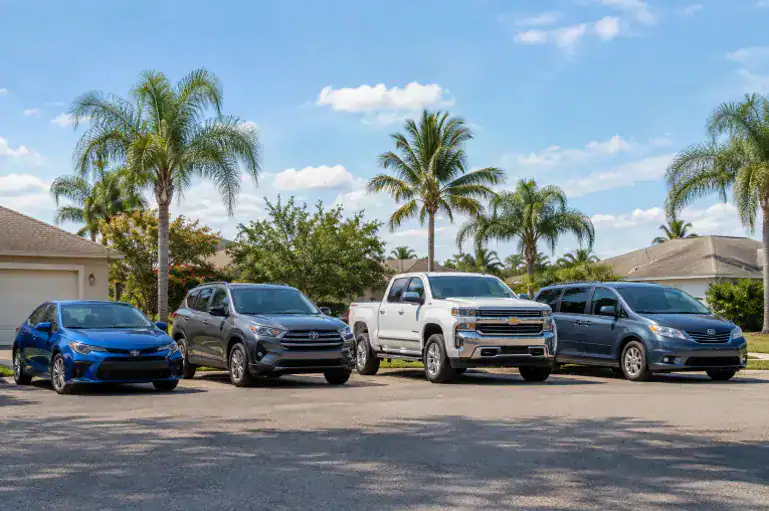
Start by thinking about the driving situations that happen most often. A compact car can make errands and parking simple, while an SUV may better suit a household that regularly carries sports gear, strollers, or pets. A truck or van can be valuable when work equipment, deliveries, towing, or larger groups are part of the routine.
It also helps to separate occasional needs from weekly needs. Renting a vehicle for a rare moving day may be more sensible than paying year-round for a capability that will sit unused.
For buyers comparing different body styles and trim levels, browsing options associated with Lakeland Jeep Florida can be a useful reminder to compare the exact vehicle configuration, not just the model name.
1. Start With Daily Needs
Before comparing models, write down the non-negotiables. Consider how many people normally ride with you, how much cargo must fit behind the seats, how far you drive each week, and whether you need to tow or haul. Also consider the roads you use most, including highway traffic, neighborhood streets, and wet-weather conditions common to the Lakeland area.
- How many seats are needed on a normal day?
- Will child seats, work bags, golf clubs, or pet carriers need regular space?
- What is the heaviest load or trailer you realistically expect to handle?
- What purchase price and long-term monthly costs are comfortable?
2. Compare The Main Vehicle Types
Cars
Sedans and hatchbacks often suit commuters who value easy parking, a lower step-in height, and efficient use of space. They can be especially appealing for drivers in Lakeland who spend most of their time on paved roads and do not need a tall cargo area.
SUVs
SUVs offer a broad range of sizes, seating layouts, and cargo solutions. Smaller models can be manageable around town, while larger two-row and three-row models can provide more room for family travel, luggage, and bulky purchases, useful for Lakeland families heading to nearby attractions or regional trips.
Trucks And Vans
Trucks make the most sense when an open bed, payload capacity, or regular towing is a real need. Vans can be practical for large families, passenger transport, deliveries, and equipment because their square-shaped interiors are designed around usable volume.
3. Check Seating, Cargo Space, And Comfort
Seat count alone does not define comfort. Bring regular passengers when possible and check legroom, seat width, door openings, headroom, and access to any third row. In warm Lakeland weather, it is also worth evaluating rear air vents, sun exposure through the glass, and how quickly the cabin feels comfortable during Florida’s hot and humid summers.
- Install a child seat if one will be used regularly.
- Measure large items that must fit in the cargo area.
- Test cargo space with the rear seats both raised and folded.
- Check whether the liftgate, doors, and storage compartments work for your routine.
4. Match Power And Capability To The Job
Horsepower is only one part of capability. Compare the exact vehicle’s payload rating, towing rating, drivetrain, and available equipment. Trailer weight, passengers, cargo, and accessories all affect what a vehicle can safely carry or pull.
Use the loaded trailer weight rather than its empty weight, and check the rating for the exact engine, cab, axle, and package you are considering. More capacity can mean a higher purchase price, larger tires, and higher operating costs, so choose enough capability without buying far beyond your real needs.
5. Review Fuel Use And Powertrain Choices
Gasoline, hybrid, plug-in hybrid, and electric vehicles each require a different ownership calculation. Consider your typical trip length, access to home charging, regular highway travel, towing plans, and how long you expect to own the vehicle. The fuel-economy comparison tools can help you compare official estimates for specific models and configurations.
Use those estimates as a starting point rather than a promise. Stop-and-go traffic, short trips, air conditioning, heavy cargo, roof accessories, towing, and driving habits can all affect real-world energy use.
6. Look Closely At Safety Ratings
Safety research should match the exact model year whenever possible. The NHTSA vehicle comparison tool lets shoppers review 5-Star Safety Ratings and recall information. It is wise to compare vehicles in the same class when reviewing frontal and overall ratings.
Also, look beyond star ratings. Confirm whether the trim includes automatic emergency braking, blind-spot monitoring, rear cross-traffic alert, lane departure warning, adaptive cruise control, parking sensors, and camera views that make daily driving easier.
7. Estimate The Full Cost Of Ownership
A lower sticker price does not always mean a lower cost over time. Build a three- to five-year estimate that includes the purchase price, taxes, financing interest, insurance, fuel or charging, tires, maintenance, repairs, and expected resale value. Compare out-the-door prices, not only advertised monthly payments.
8. Use A Smart Test-Drive Checklist
A short loop is rarely enough. Drive in traffic, merge onto a highway, brake normally, park in a tight space, and check visibility around the front corners and rear pillars. Adjust the seat and steering wheel, test the controls, and listen for road noise. If practical, bring a car seat, cargo item, or work gear that represents real use.
9. Avoid Common Comparison Mistakes
- Choosing based only on the monthly payment.
- Comparing trims without confirming included equipment.
- Ignoring insurance, tire, fuel, and maintenance costs.
- Assuming all-wheel drive replaces careful driving and suitable tires.
- Skipping the rear seat, cargo area, or parking test.
- Failing to confirm the final out-the-door price.
10. Build A Shortlist With Confidence
Limit the final list to two or three vehicles that meet your essential requirements. For each one, compare purchase price, passenger room, cargo space, safety features, fuel or charging costs, towing or payload needs, and estimated ownership expenses. The best vehicle for Lakeland life is not automatically the biggest, fastest, or least expensive. It is the one that handles your everyday responsibilities comfortably and remains a sensible fit for your budget over time.


