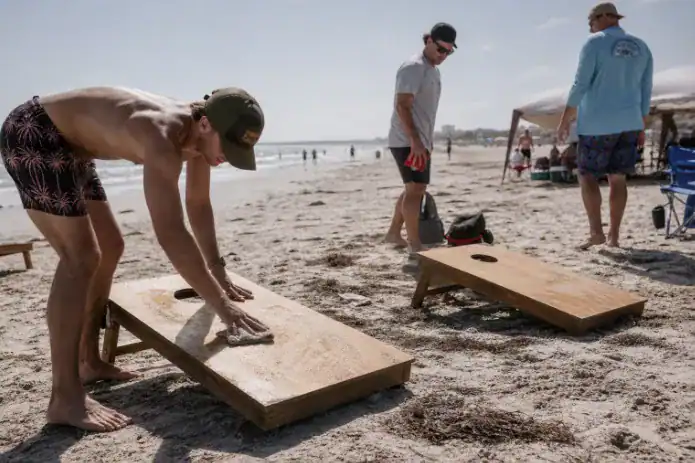
A beach cornhole tournament can be competitive without feeling overly formal. The combination of simple gameplay, fresh air, and a social setting makes it a natural fit for family reunions, company outings, fundraisers, and neighborhood gatherings. If you are planning an event around coastal play, click here to explore beach cornhole game options for an outdoor setting.
The best events balance structure with flexibility. Sand, wind, sun, foot traffic, and changing weather all affect the day, so a smart plan should account for these realities while keeping rules easy to follow. With clear communication and a welcoming approach, even first-time players can feel comfortable joining in.
Why Beach Cornhole Works So Well
Cornhole works for mixed groups because the basic goal is easy to explain: players take turns tossing bags toward a raised board and score based on where the bags land. People can learn the essentials quickly, then improve through practice. A beach setting also makes it easy for guests to watch a match, chat with friends, take a break, or enjoy nearby activities.
For example, a family reunion can use a relaxed doubles bracket as the main activity while children practice on a separate board. A workplace gathering can pair coworkers who do not usually interact. A fundraiser can charge a simple team entry fee and keep eliminated teams involved through side challenges. The game provides a focal point without requiring every guest to be highly competitive.
Choose the Right Location
Visit the site before finalizing the event, ideally at the same time of day you expect to play. That visit can reveal how crowded the area becomes, where shadows fall, whether wind is steady or gusty, and how much firm ground is available. Check the location’s rules before promoting the tournament, since public beaches may require a reservation, permit, insurance documentation, or restrictions on tents and amplified sound.
- Allow room for each court, a safe gap between courts, and a path that pedestrians can use without crossing play areas.
- Confirm access to restrooms, parking, trash bins, and drinking water, or plan to provide what is missing.
- Check whether high tide, surf conditions, or a scheduled event could reduce the usable space.
- Identify a nearby enclosed building or vehicles that can serve as a weather shelter if needed.
Beach conditions require more preparation than a flat backyard. Set boards on the firmest and most level surface available, and test their stability before the first match. If the sand is soft, clear a small, even area beneath each board rather than trying to force play on a steep or shifting slope. Mark throwing lines and court boundaries with bright cones, flags, or other visible markers.
Bring a Simple Equipment Kit
- Extra bags in case a set gets wet, becomes heavily sandy, or is misplaced.
- Towels and soft brushes for removing sand from boards and bags.
- Storage bins or sealable containers to protect gear between rounds.
- Scoreboards, markers, clipboards, and clips or weights to keep paper from blowing away.
- Basic repair supplies, including tape and a small tool kit, if equipment needs adjustment.
Wind can change how a bag travels and lands. Position courts away from objects that may create sudden gusts or swirling air, such as the edge of a large tent, a wall, or tightly packed umbrellas. When the wind becomes disruptive, keep the format moving by reminding all teams that conditions apply equally to both sides of a match.
Set a Fair Tournament Format
The right bracket depends on how many teams are playing, how long the event will run, and whether the group is casual or competitive. Explain the format before play begins, post the schedule where everyone can see it, and designate one person to answer bracket questions.
- Round robin: Each team plays multiple opponents. This is useful for smaller groups and events where participation matters more than a quick winner.
- Single elimination: A loss ends a team’s tournament run. It is efficient for a large group with limited time.
- Double elimination: Teams remain in contention until they lose twice. This gives competitive players more opportunities to recover from one poor match.
- Random partner play: Partners change each round or at set intervals. It keeps the atmosphere social and prevents established teams from dominating a casual event.
If experienced players and beginners share the beach, consider a competitive and a casual division. That small adjustment can give skilled teams a meaningful challenge while allowing new players to learn without feeling rushed or outmatched.
Plan for Heat, Sun, and Weather
Weather planning is essential for responsible event management. It involves checking local forecasts and advisories for heat, wind, and lightning. Designate an organizer to monitor conditions and communicate any necessary pauses or cancellations. Schedule activities during the cooler parts of the day, provide shaded rest areas and water, and encourage breaks. The CDC recommends protective measures against ultraviolet rays. Implement a strict lightning policy: halt activities at the first sign of thunder or lightning and direct participants to safe shelters. Resume only when conditions are safe and confirmed by the organizer.
Keep Beginners Involved
A short orientation prevents confusion and saves time later. Before the tournament begins, explain where players stand, how turns work, how scoring is handled, and what happens when a bag lands off the board. Give newcomers a practice board or a few warm-up throws before their first official game.
- Pair first-time players with patient, encouraging teammates.
- Use plain language instead of unexplained tournament terms.
- Offer a closest-to-the-hole challenge or casual mini-bracket between scheduled rounds.
- Recognize good sportsmanship, not only high scores.
Use an Event-Day Checklist
- Confirm permits, reservations, volunteer assignments, and the weather forecast.
- Mark courts, player waiting areas, spectator space, and walking paths.
- Set out water, shade, first-aid supplies, trash bags, and event signs.
- Test the scoring process and post-match times before the first toss.
- Keep a backup plan ready for rain, high wind, extreme heat, or lightning.
Avoid Common Planning Mistakes
Disorganization often comes from small oversights. Do not bring too few boards for the number of teams, place courts where people will constantly walk through them, or assume players know the rules. Avoid complicated scoring variations for a casual crowd, and explain delays or bracket changes as soon as they occur. A visible schedule and one reliable event contact can prevent many avoidable frustrations.
Final Tips for a Better Event
A successful beach cornhole tournament does not need elaborate production. Keep matches moving, make space for breaks, thank volunteers, and leave the beach cleaner than you found it. A safe location, a clear format, practical weather planning, and a friendly attitude will create an event that gives competitive players a reason to compete and casual guests a reason to join.


